

Hiking / Backpacking Apparel
From day hikes to multi day backpacking trips, our hiking apparel is built to move light and last long. Lightweight, breathable fabrics keep you cool on climbs, while durable construction handles rough trails and heavy packs. Quick drying, packable layers make it easy to adapt when the weather shifts.
Filters
37 products





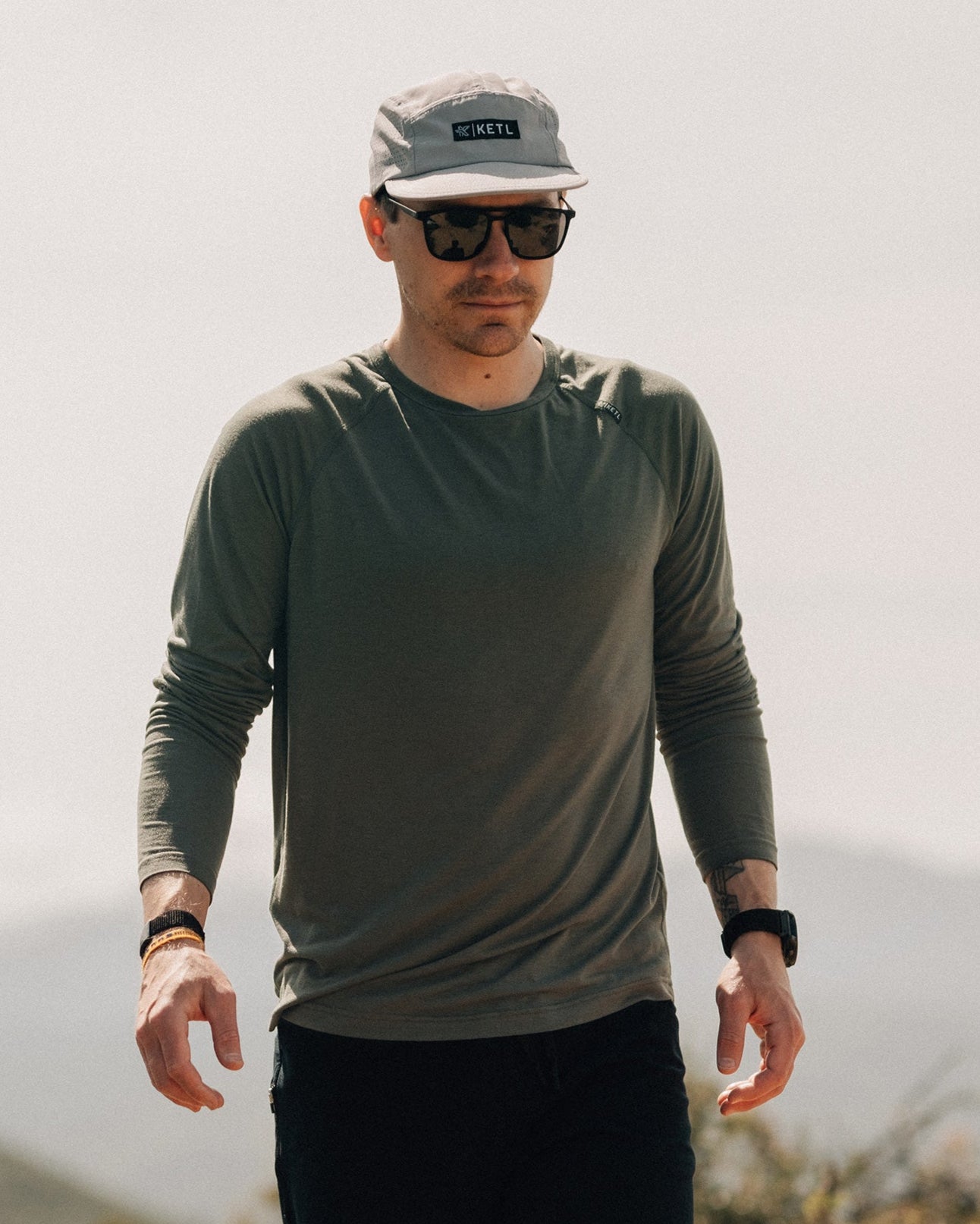
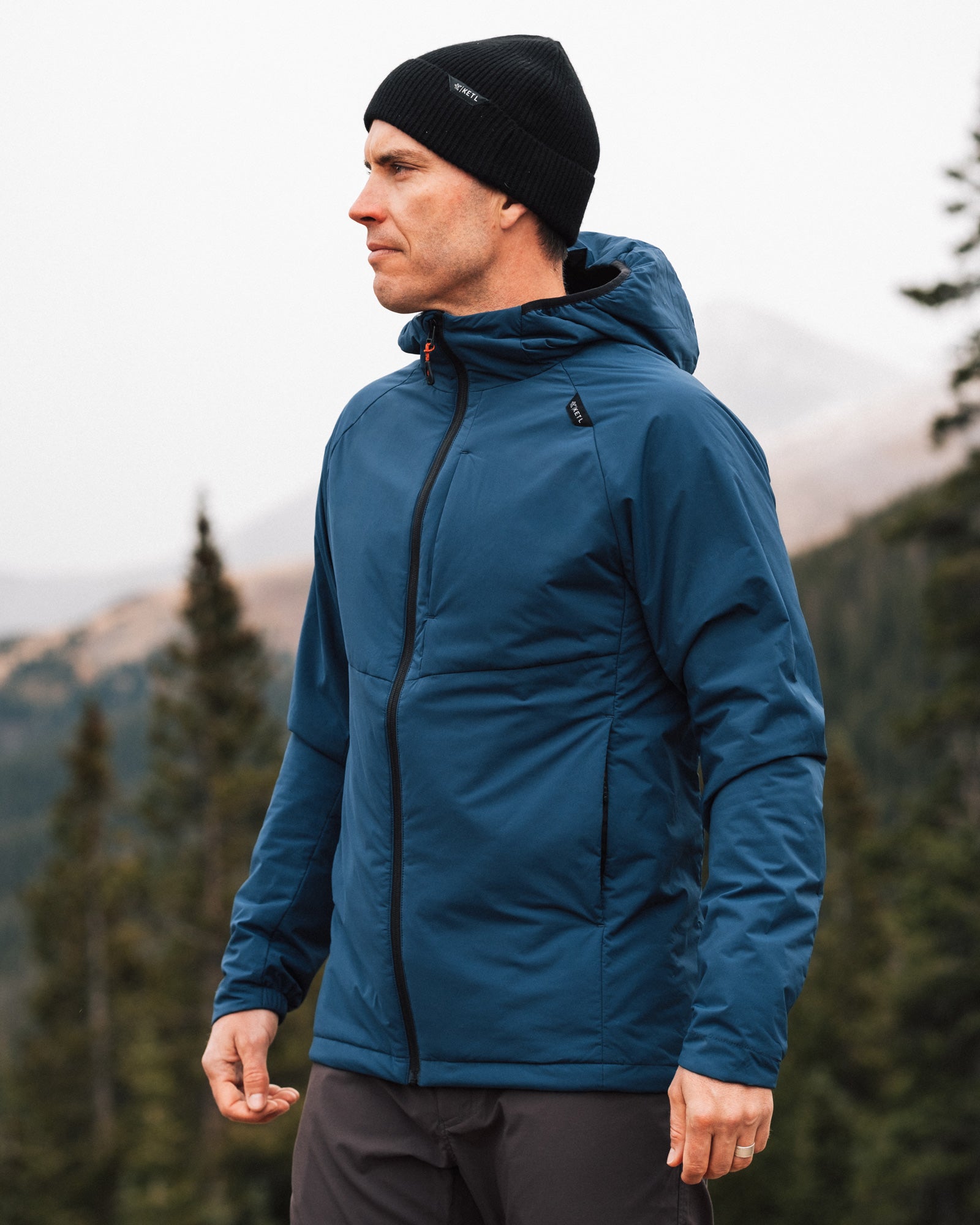
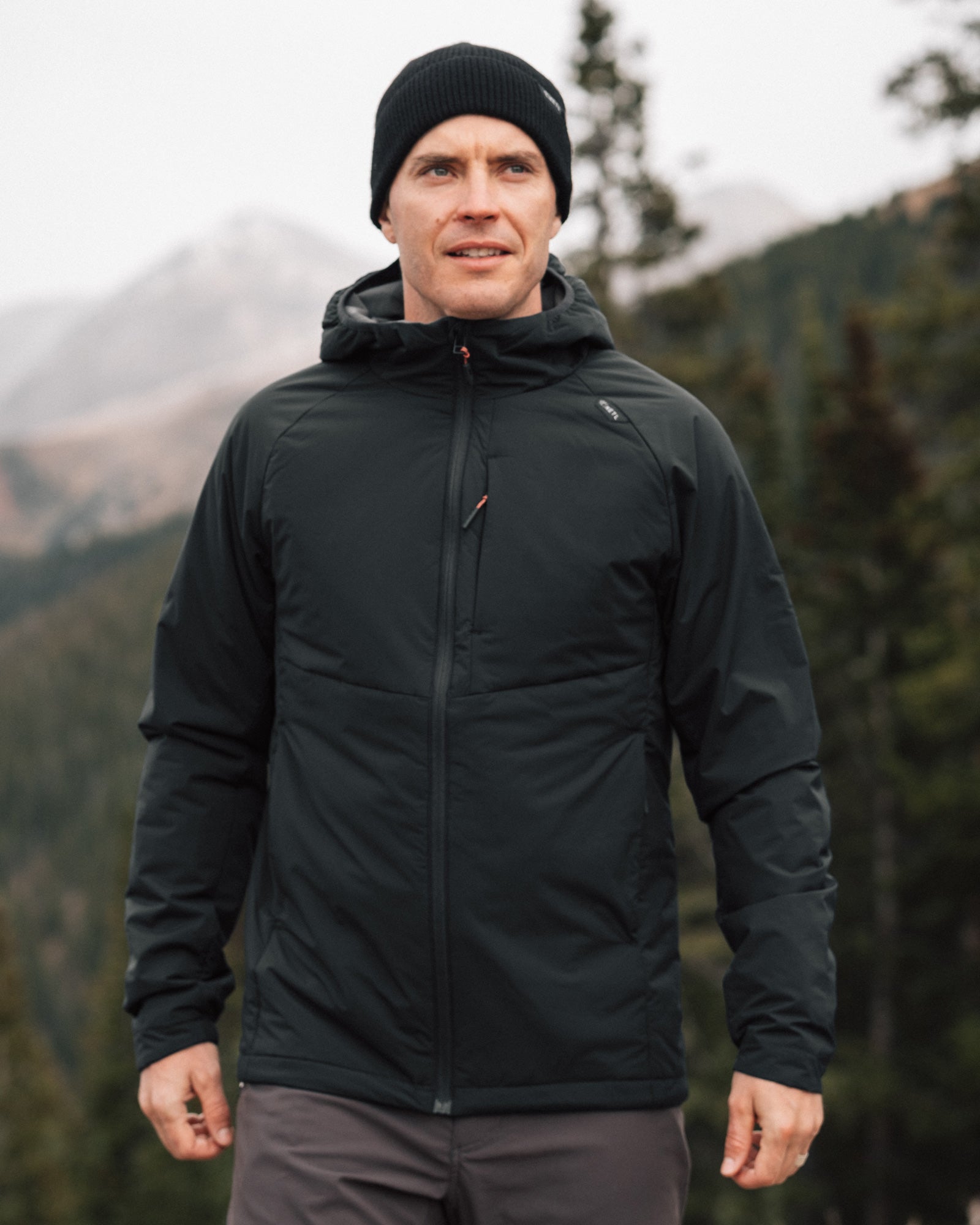
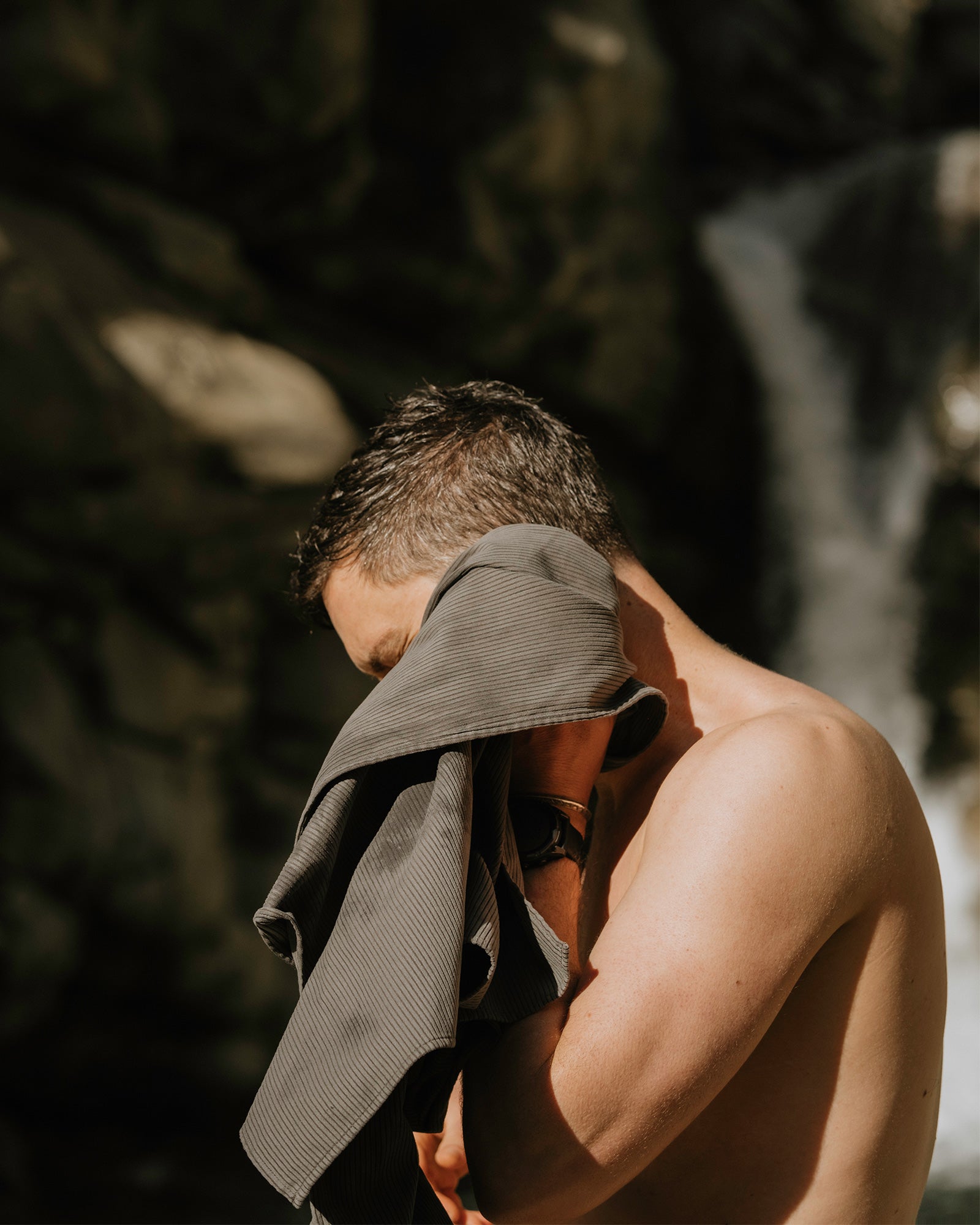
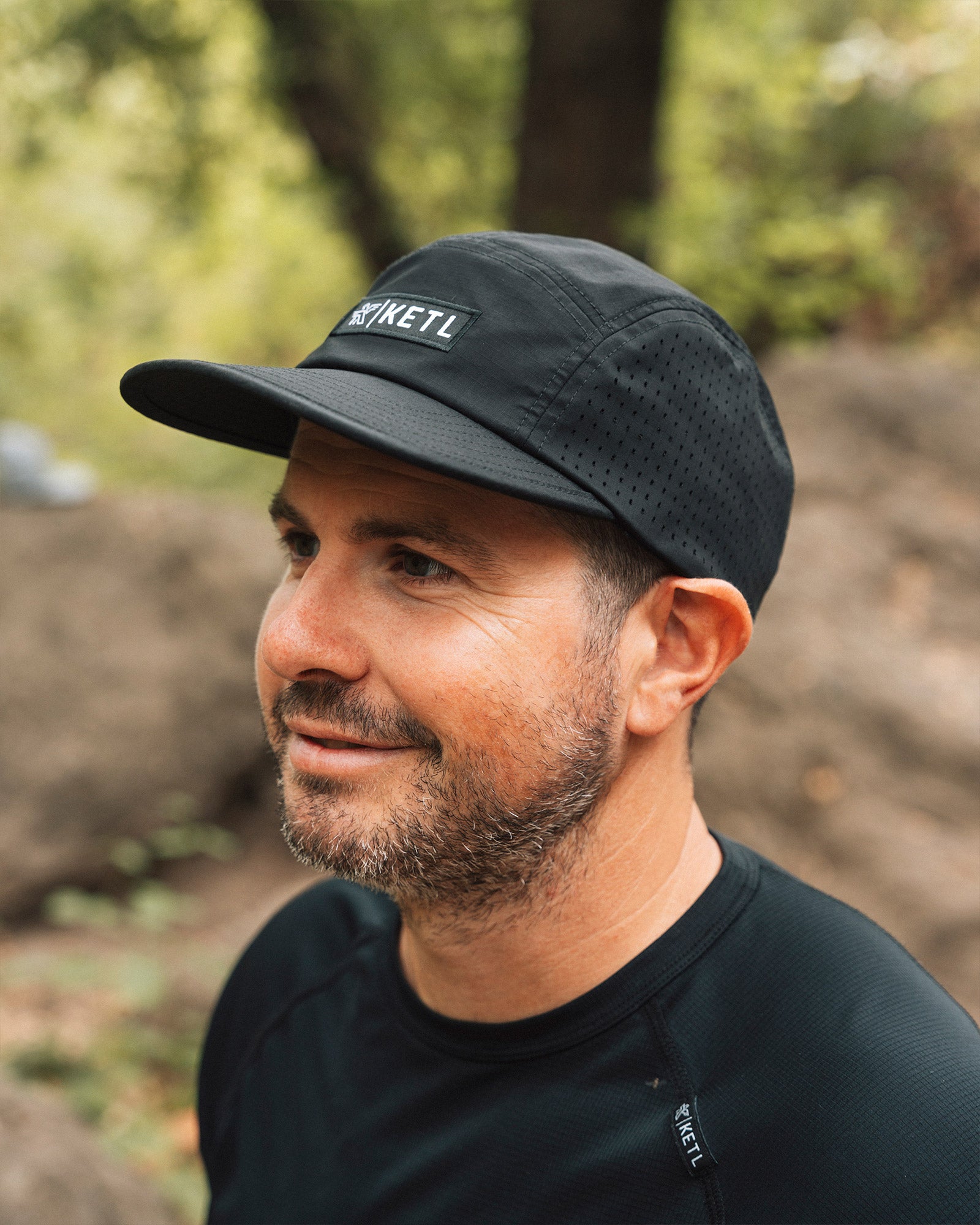
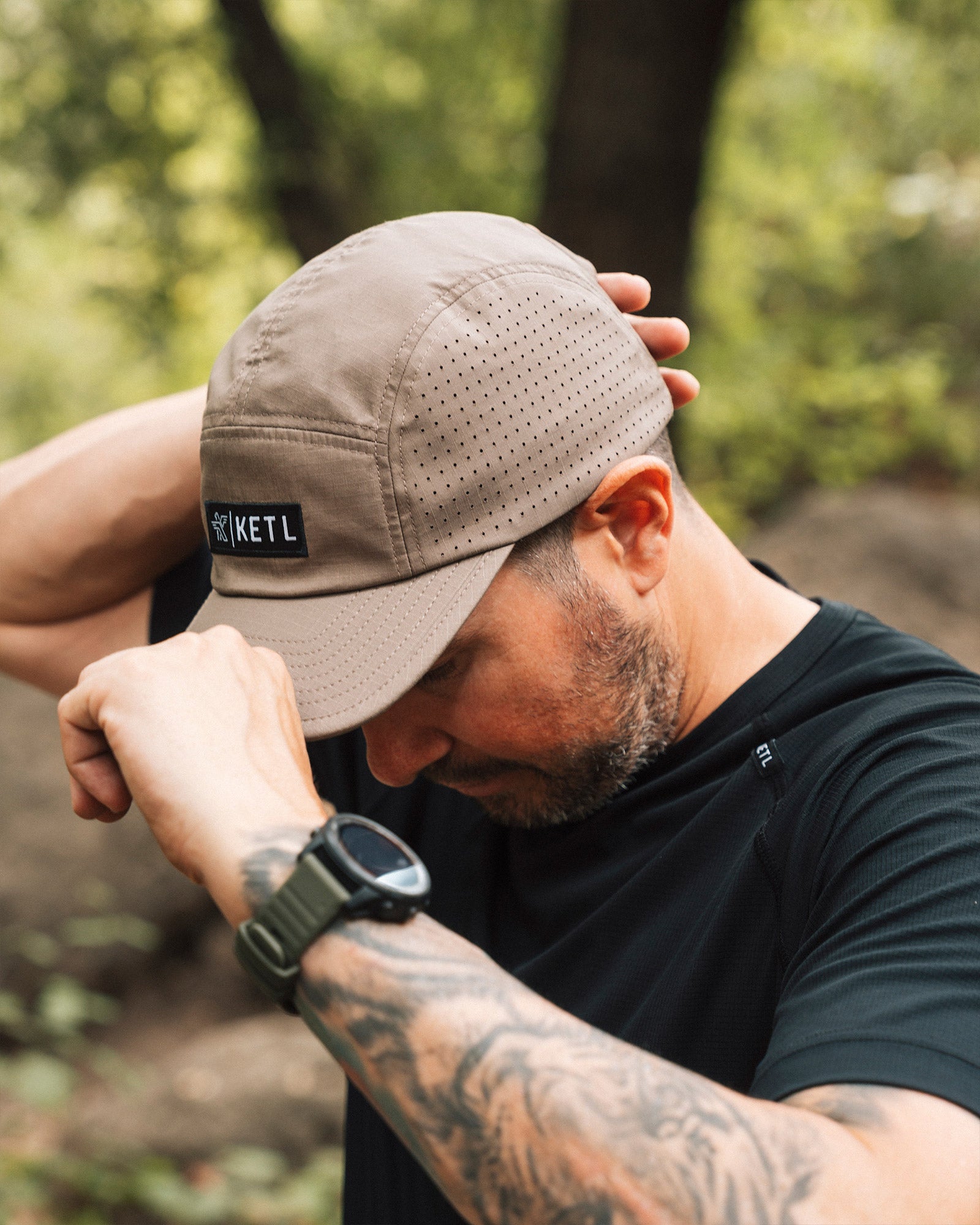
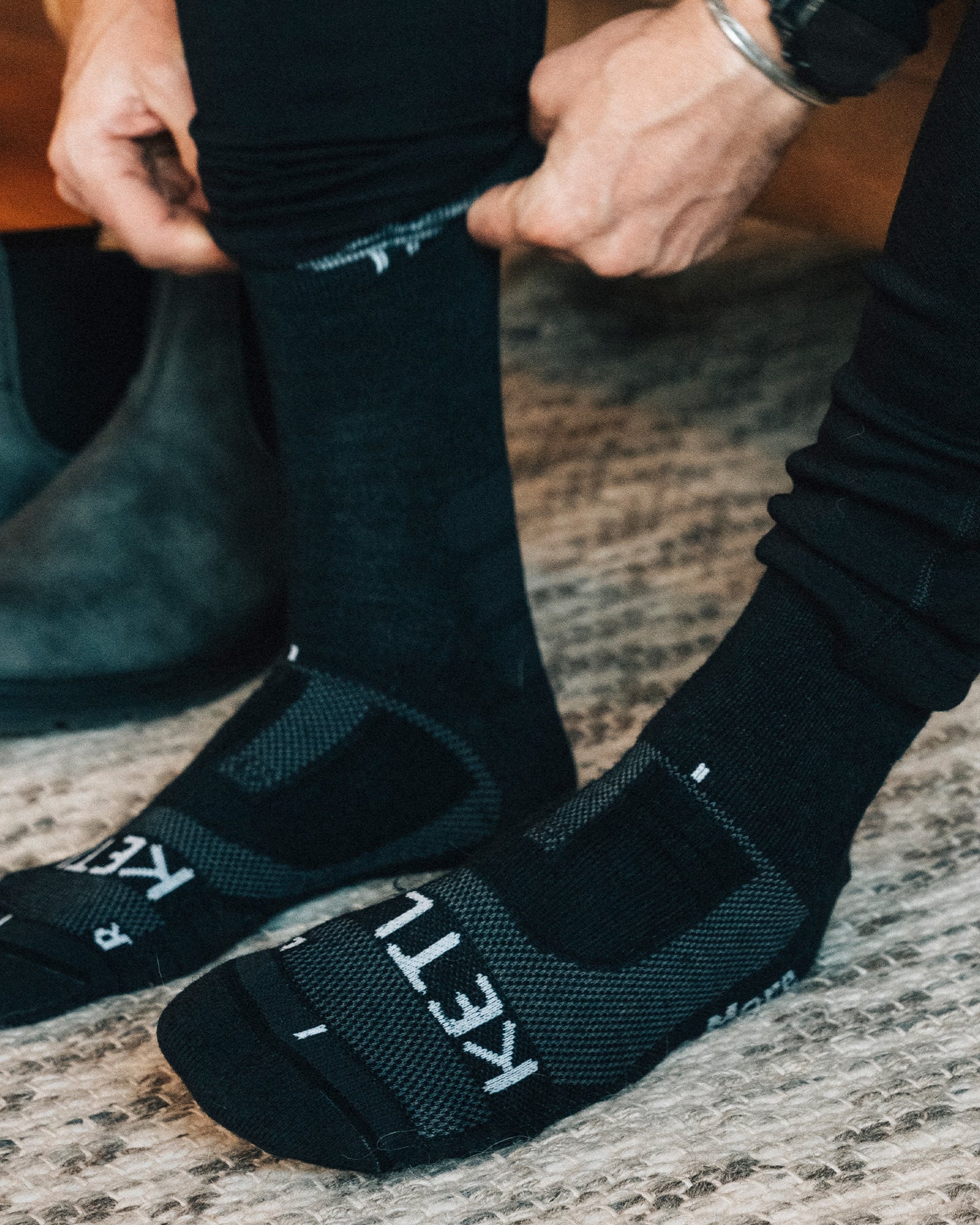

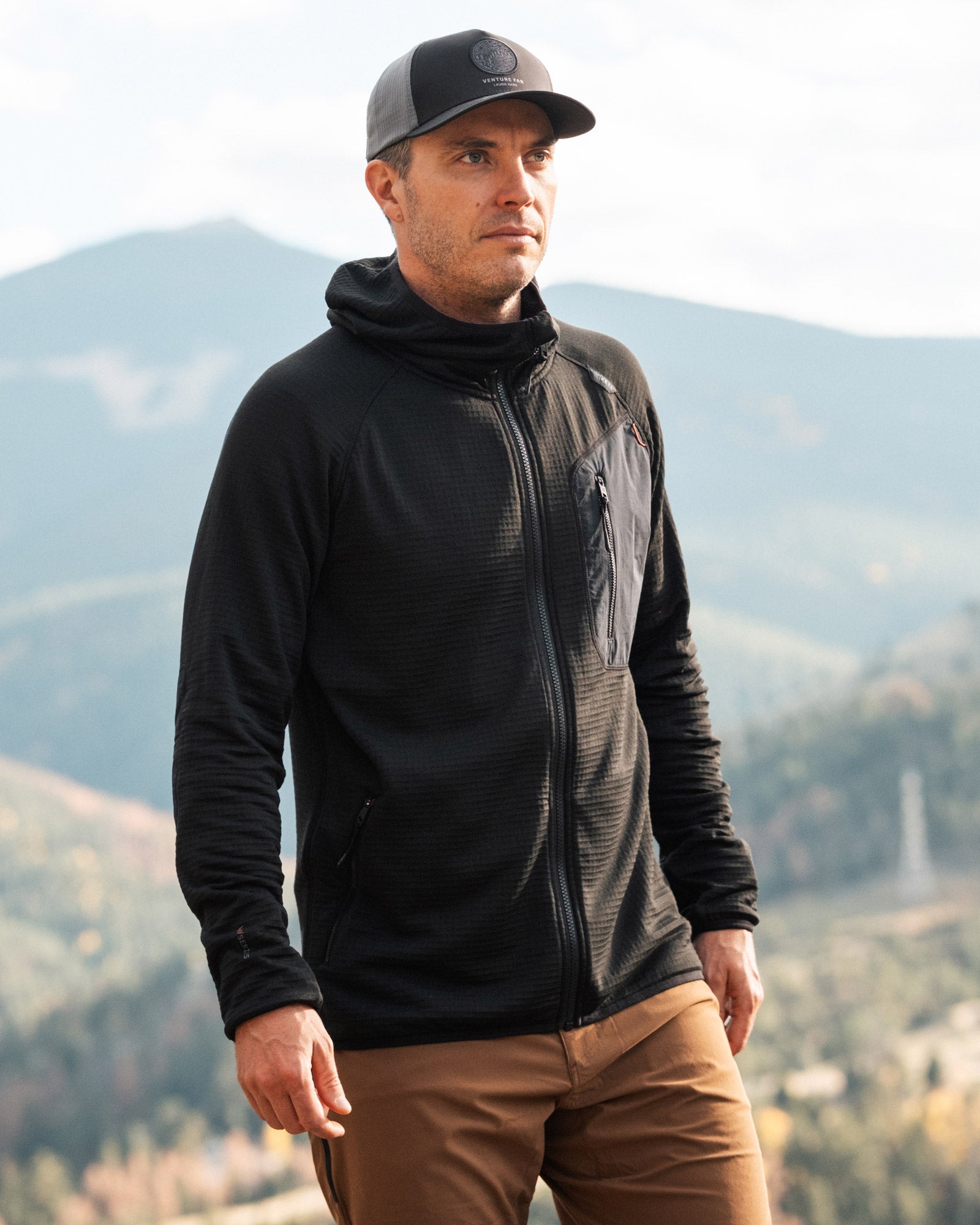
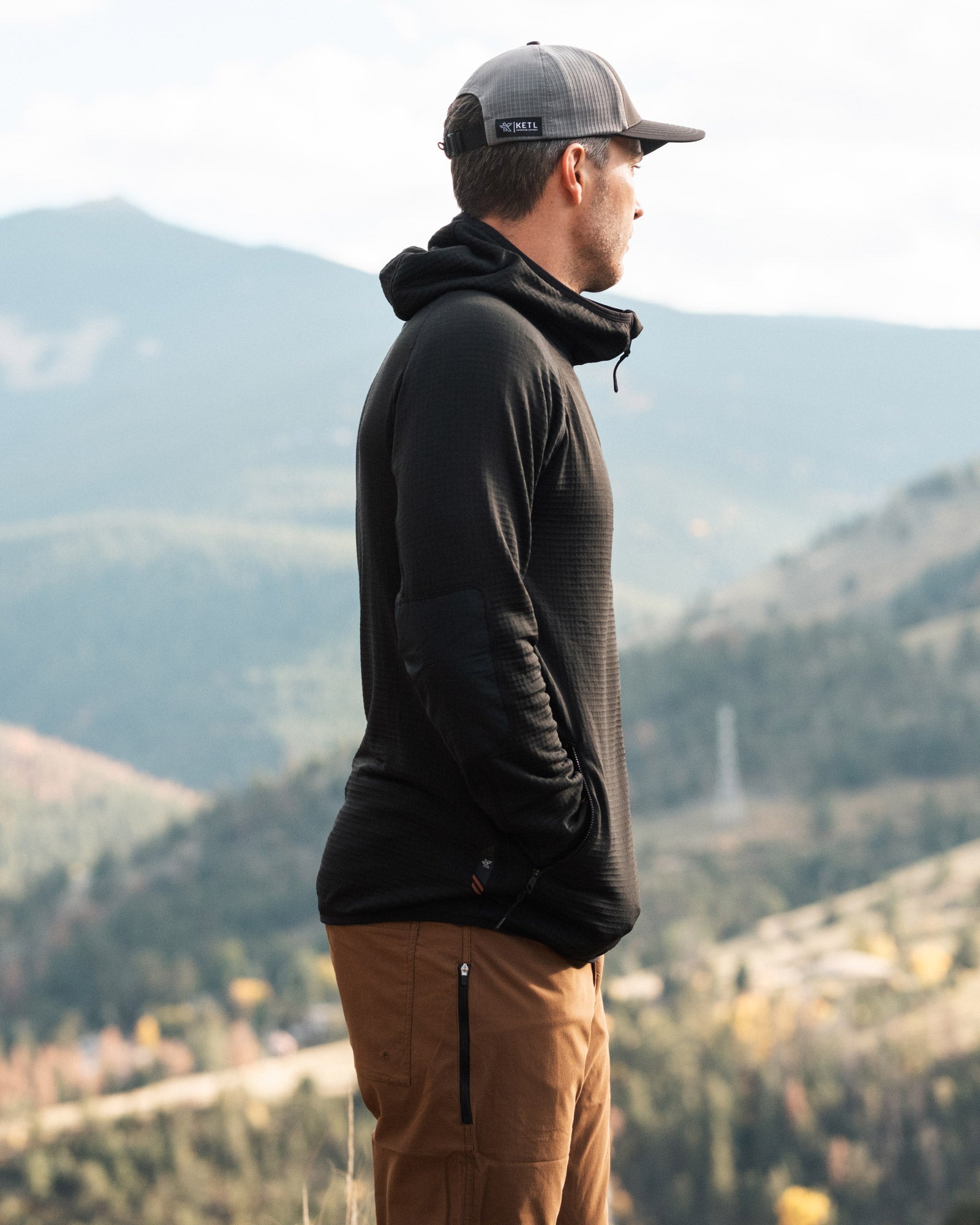
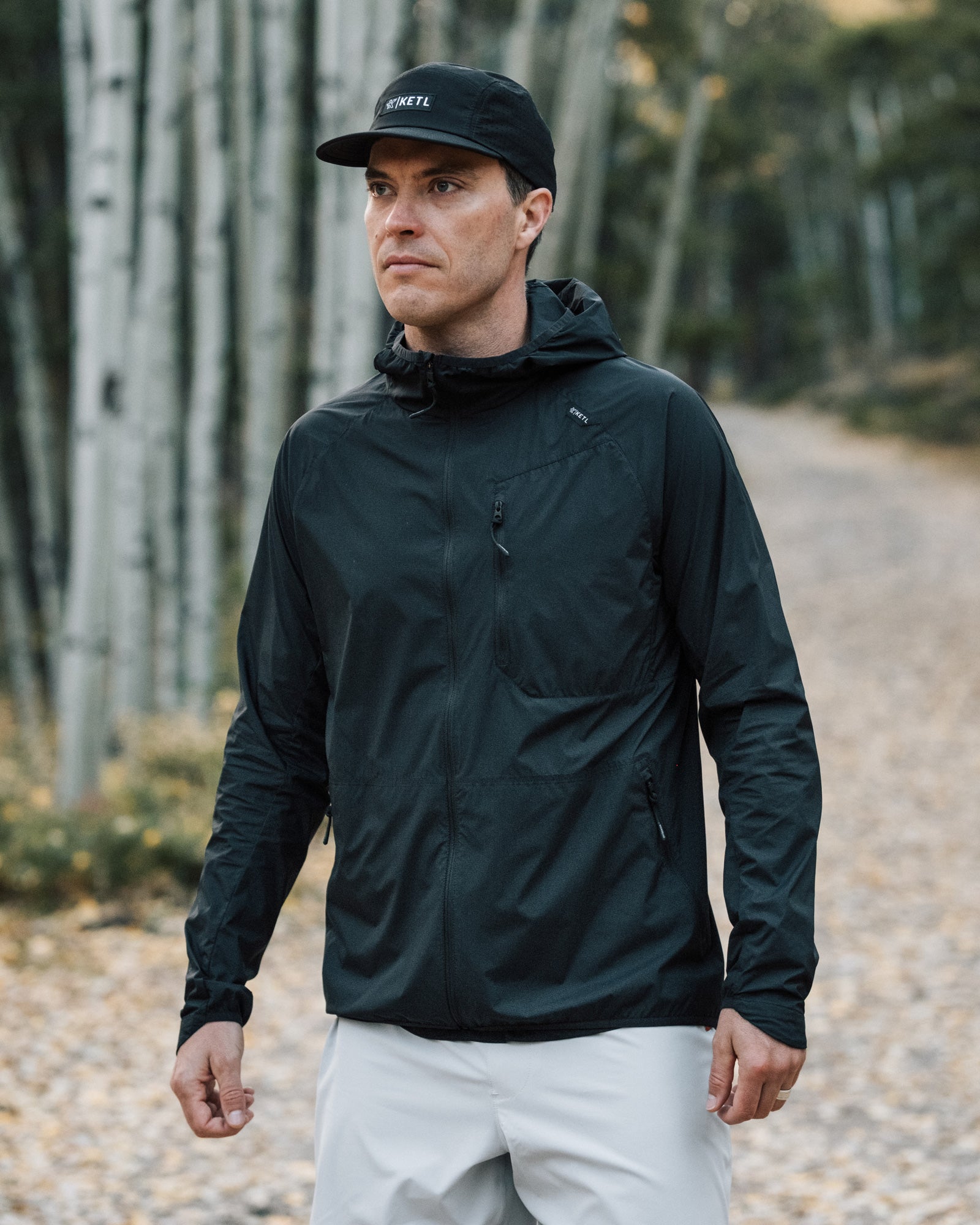
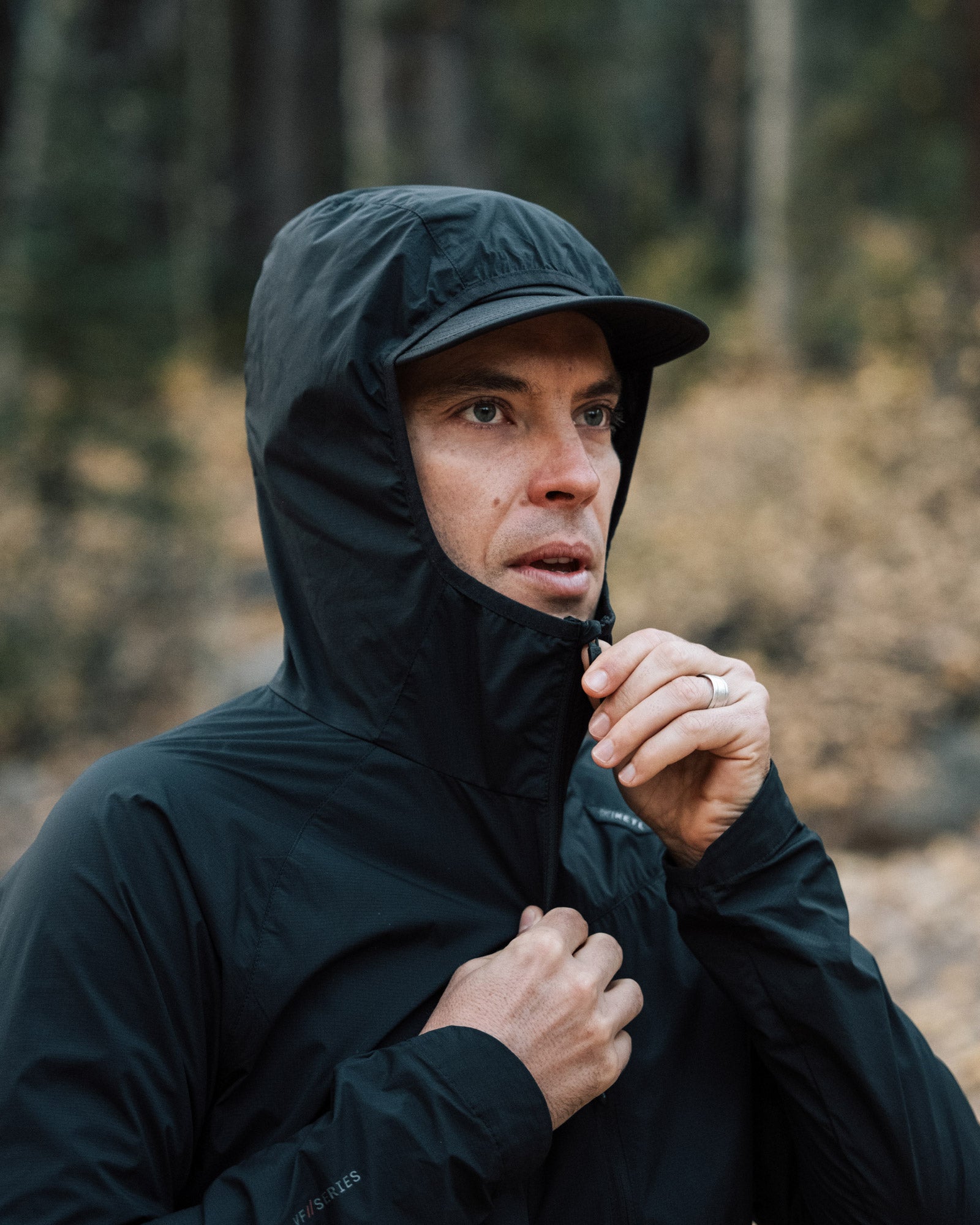






Hiking & Backpacking Apparel Built for Real Miles
From quick day hikes to multi day backpacking trips, your gear needs to stay comfortable, reliable, and easy to live in.
Our hiking and backpacking clothing is built to be lightweight, breathable, and durable without feeling overbuilt. Quick drying performance fabrics help regulate temperature on long climbs, while packable layers earn their place in your bag when conditions shift.
Made for long days, changing weather, and miles that keep stacking.
Here's some of our hiking & backpacking essentials:
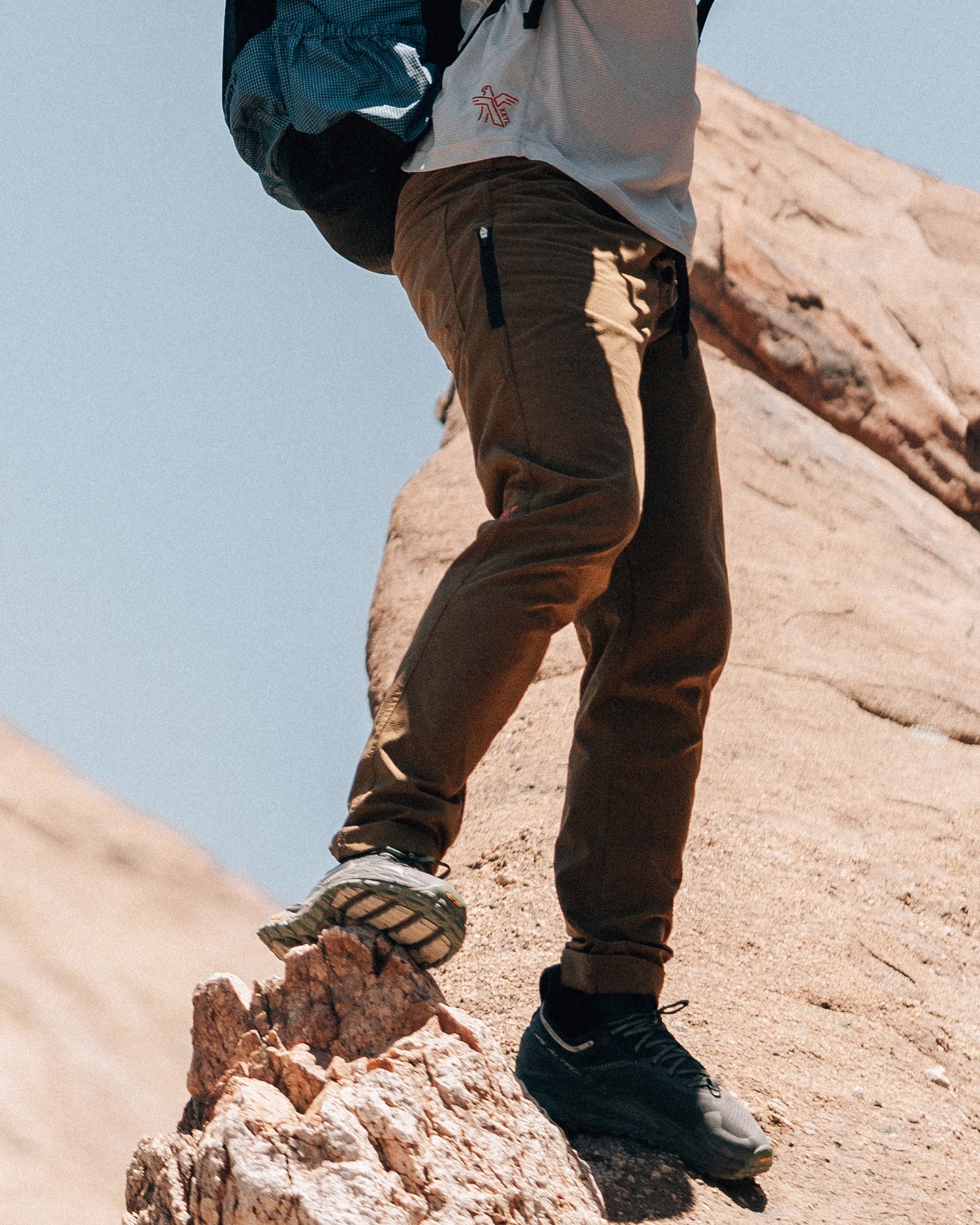
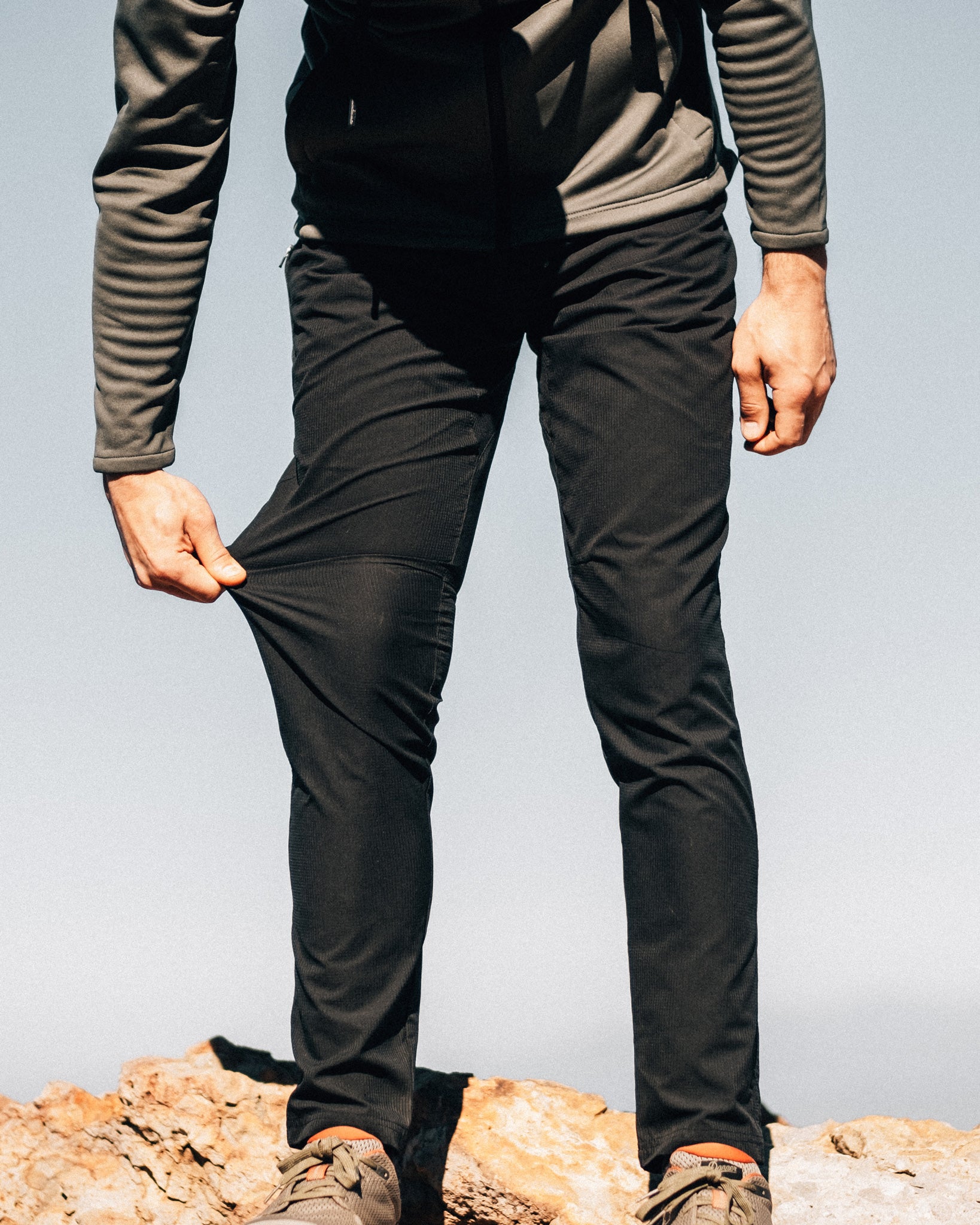
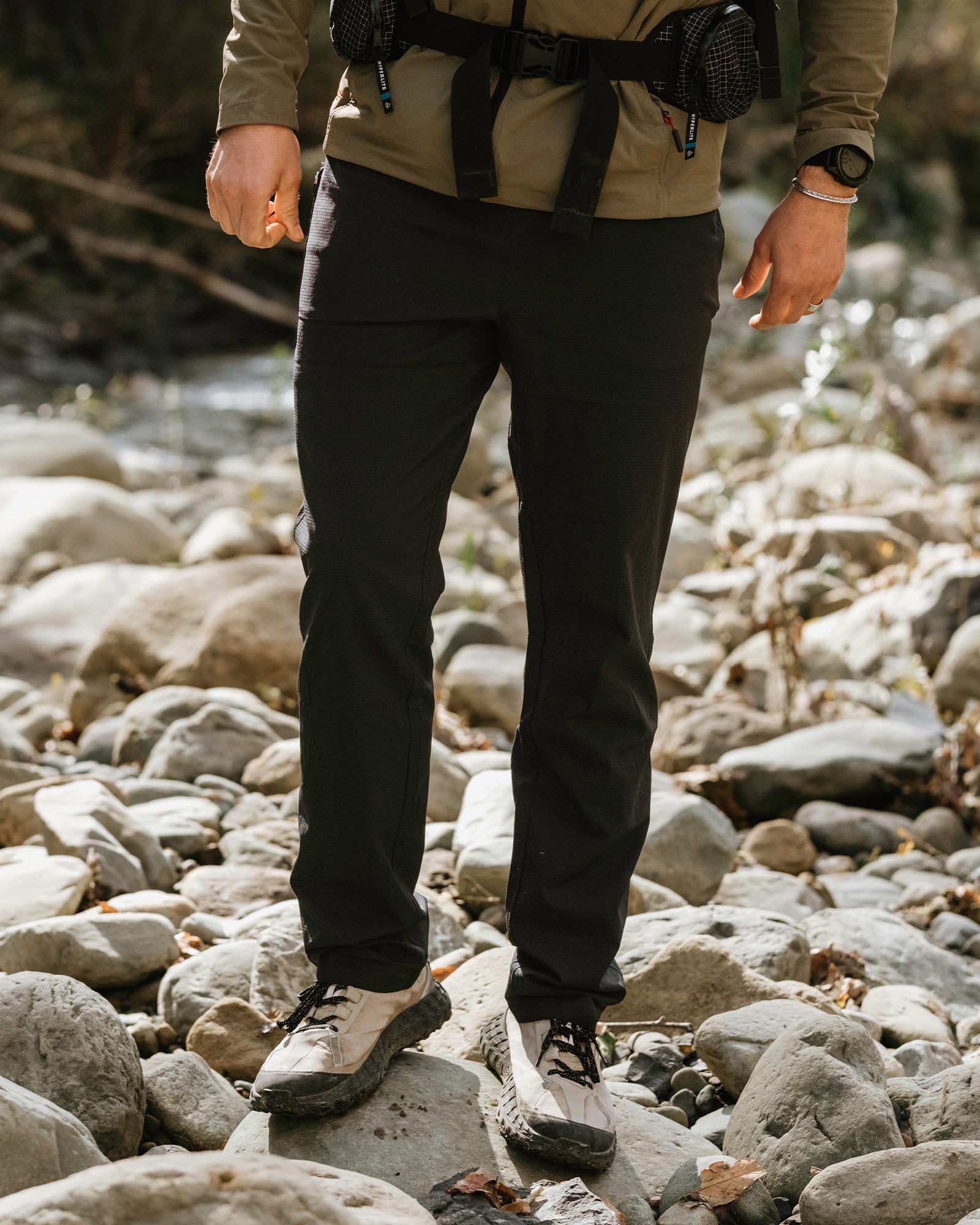
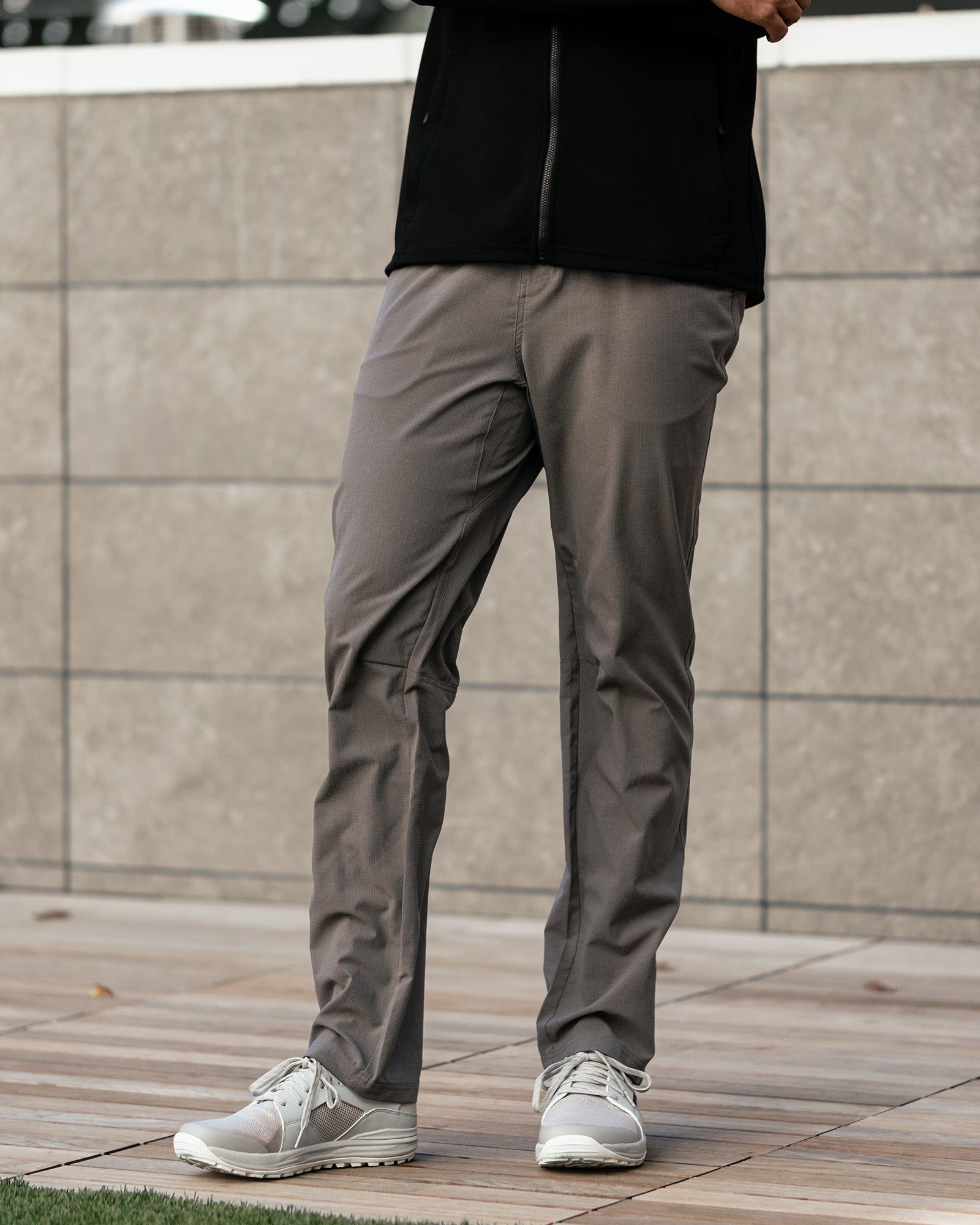
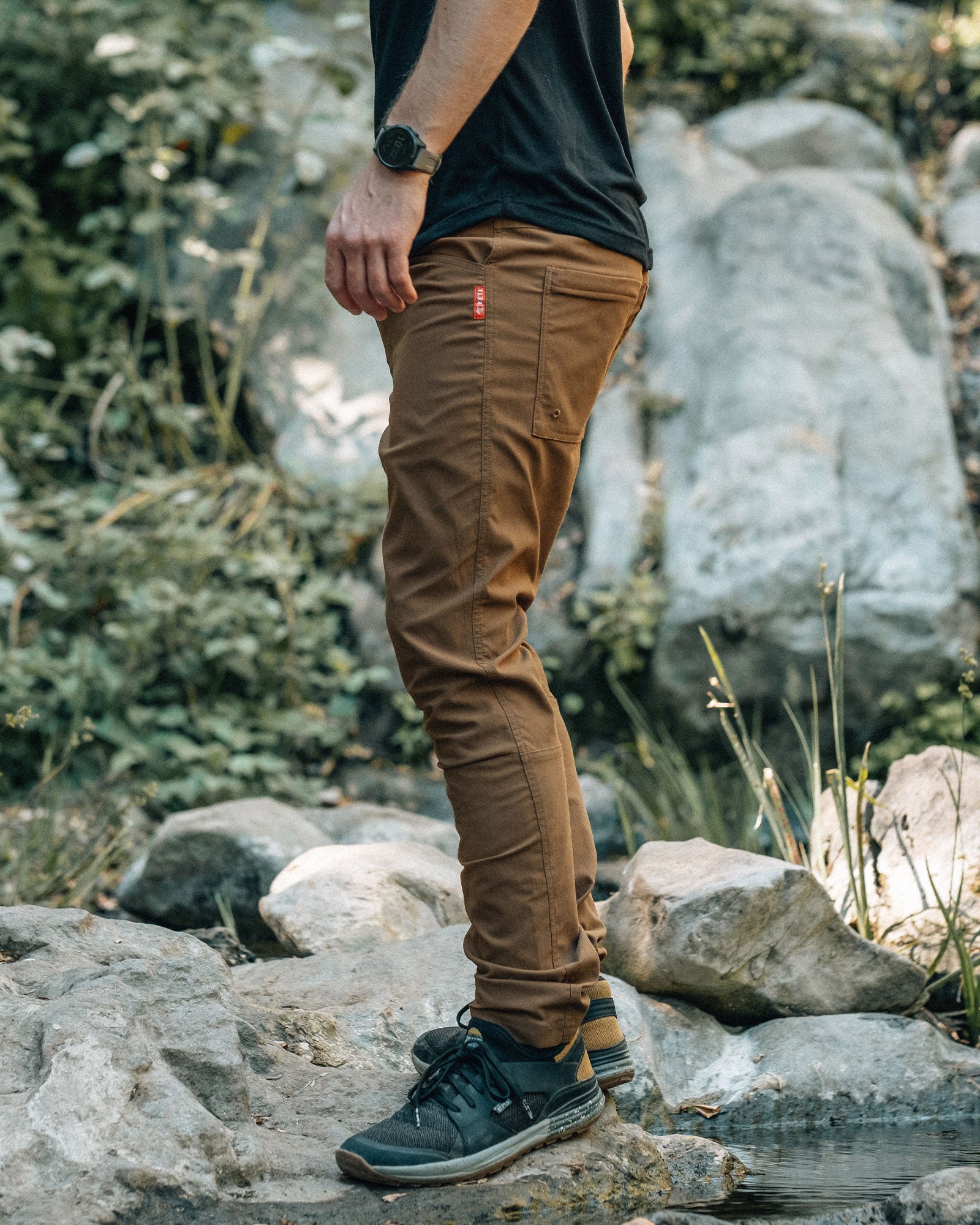
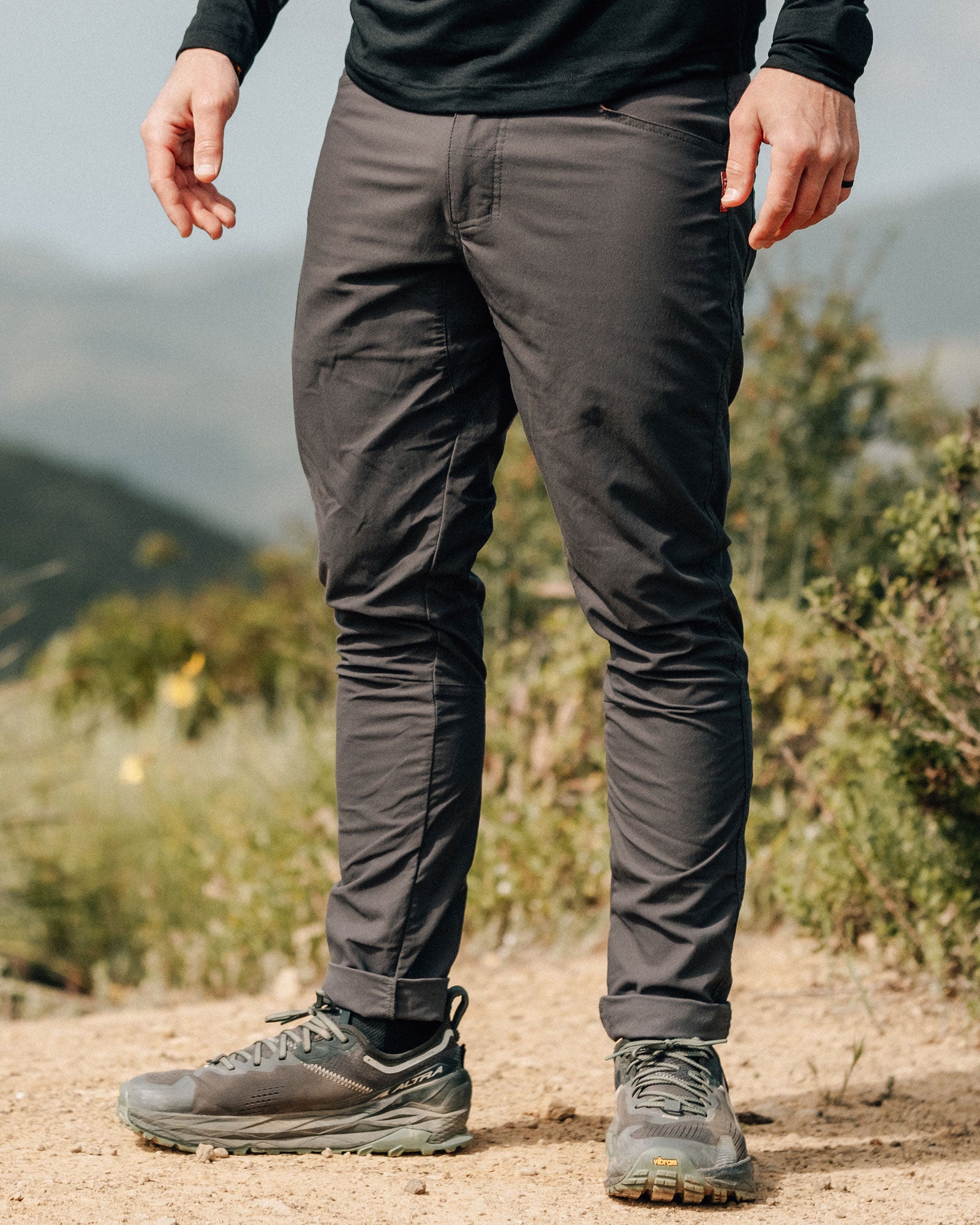
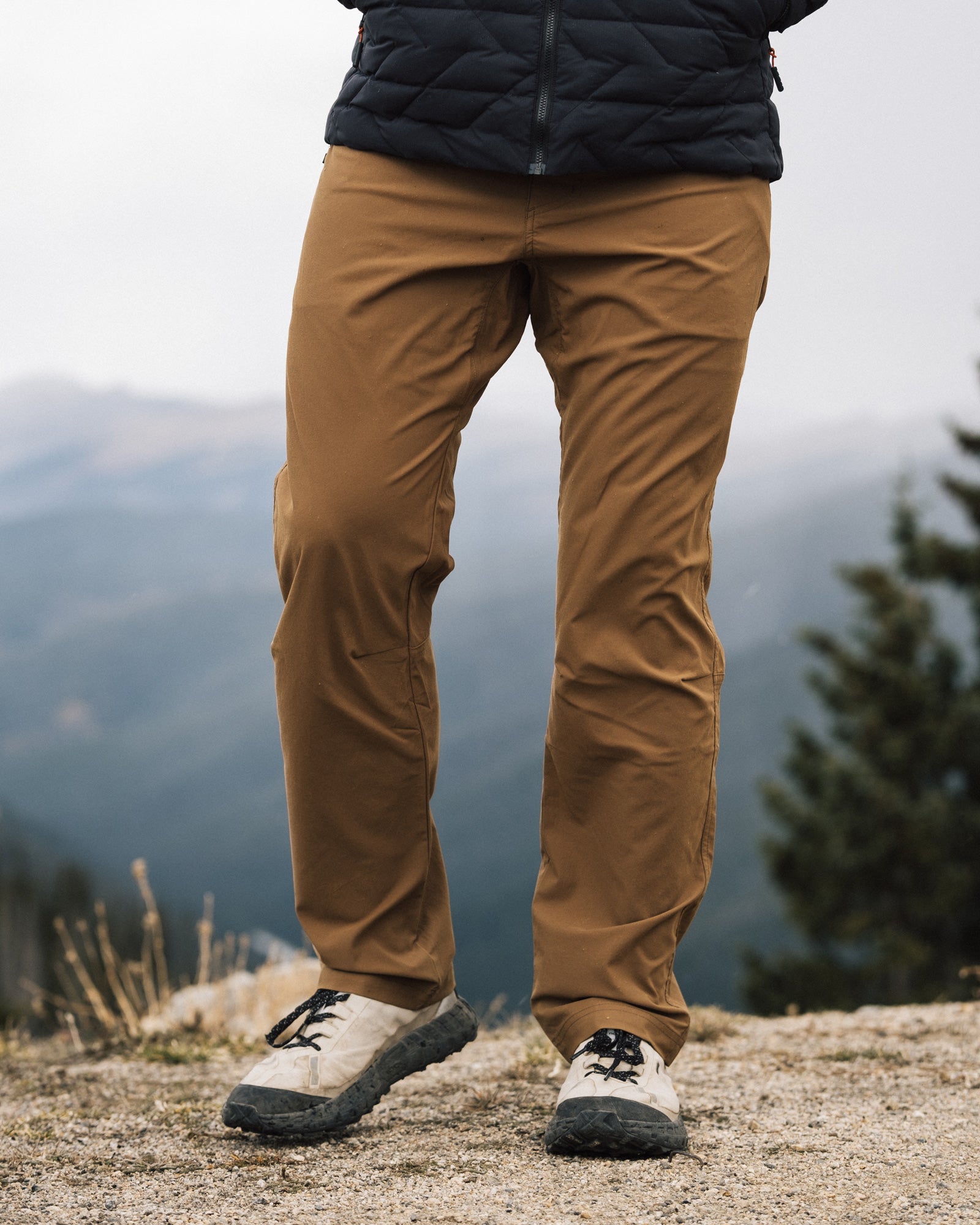
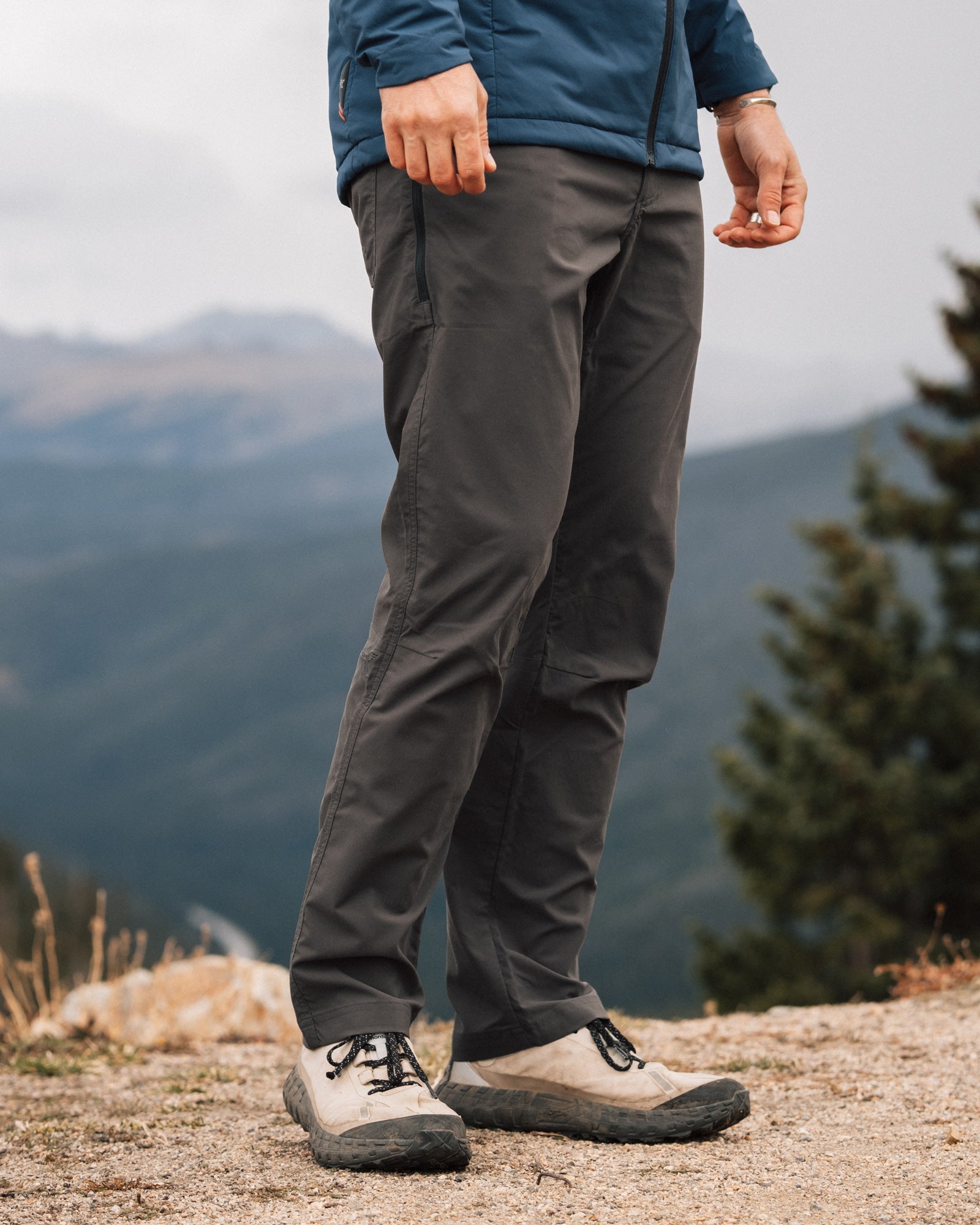
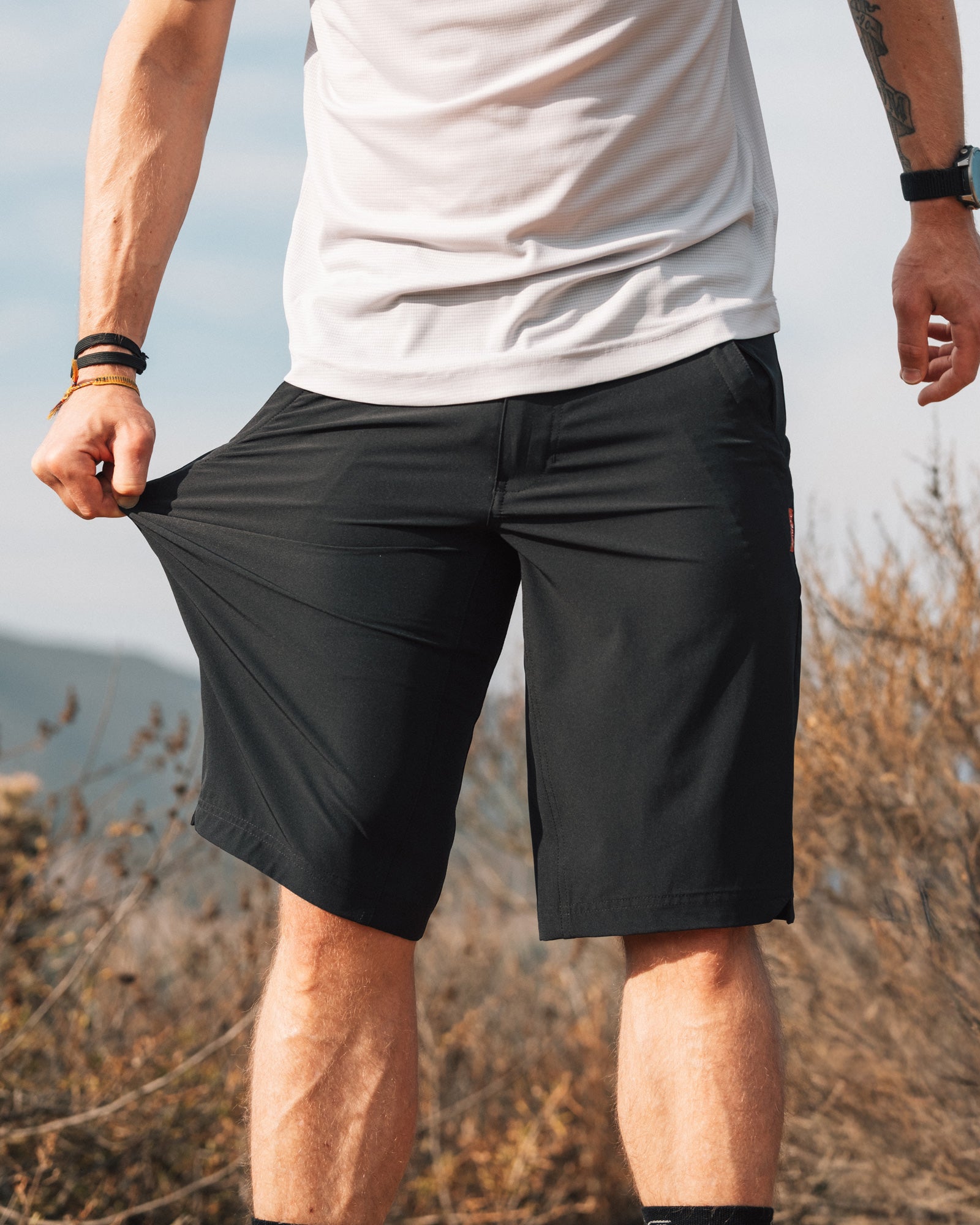
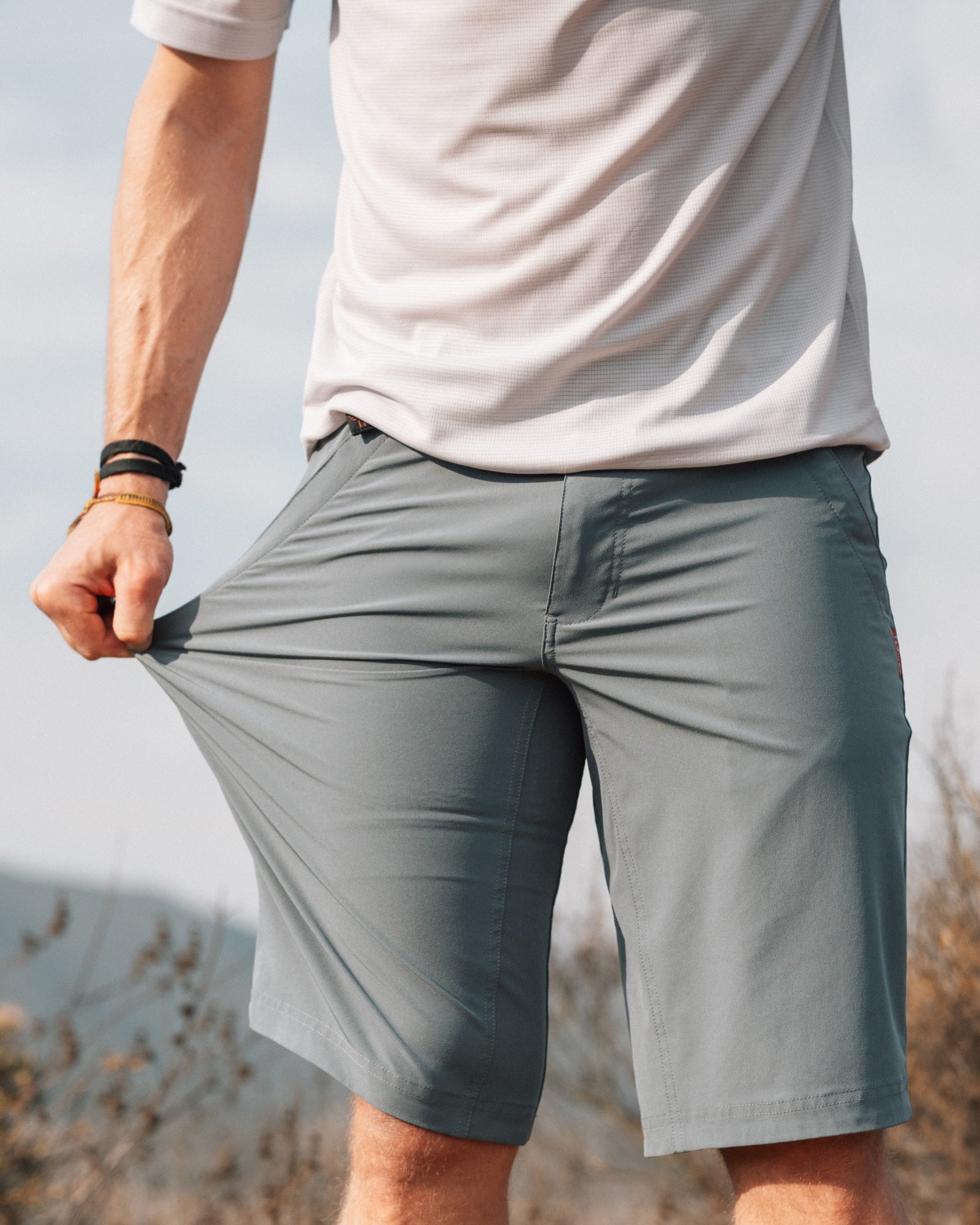
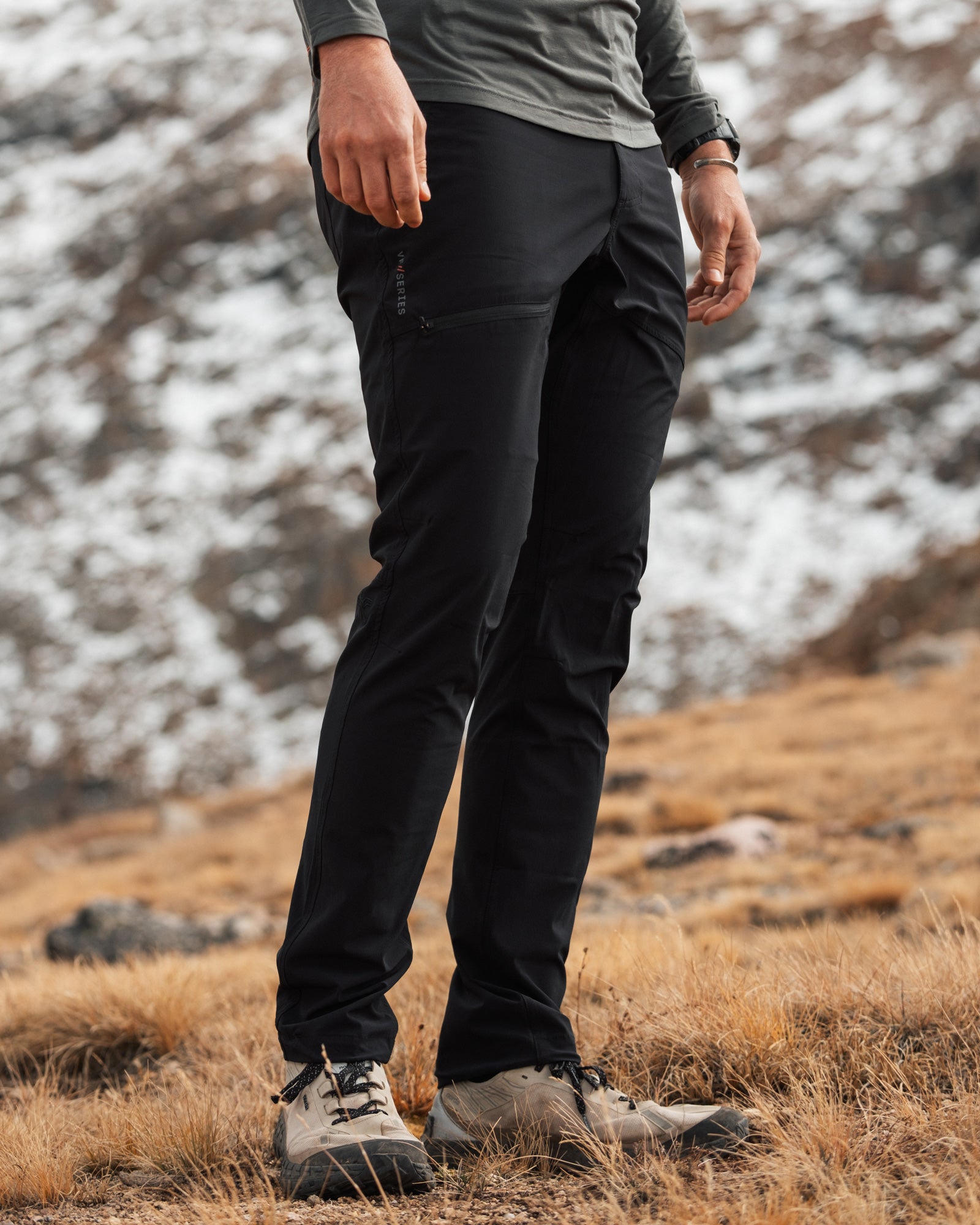
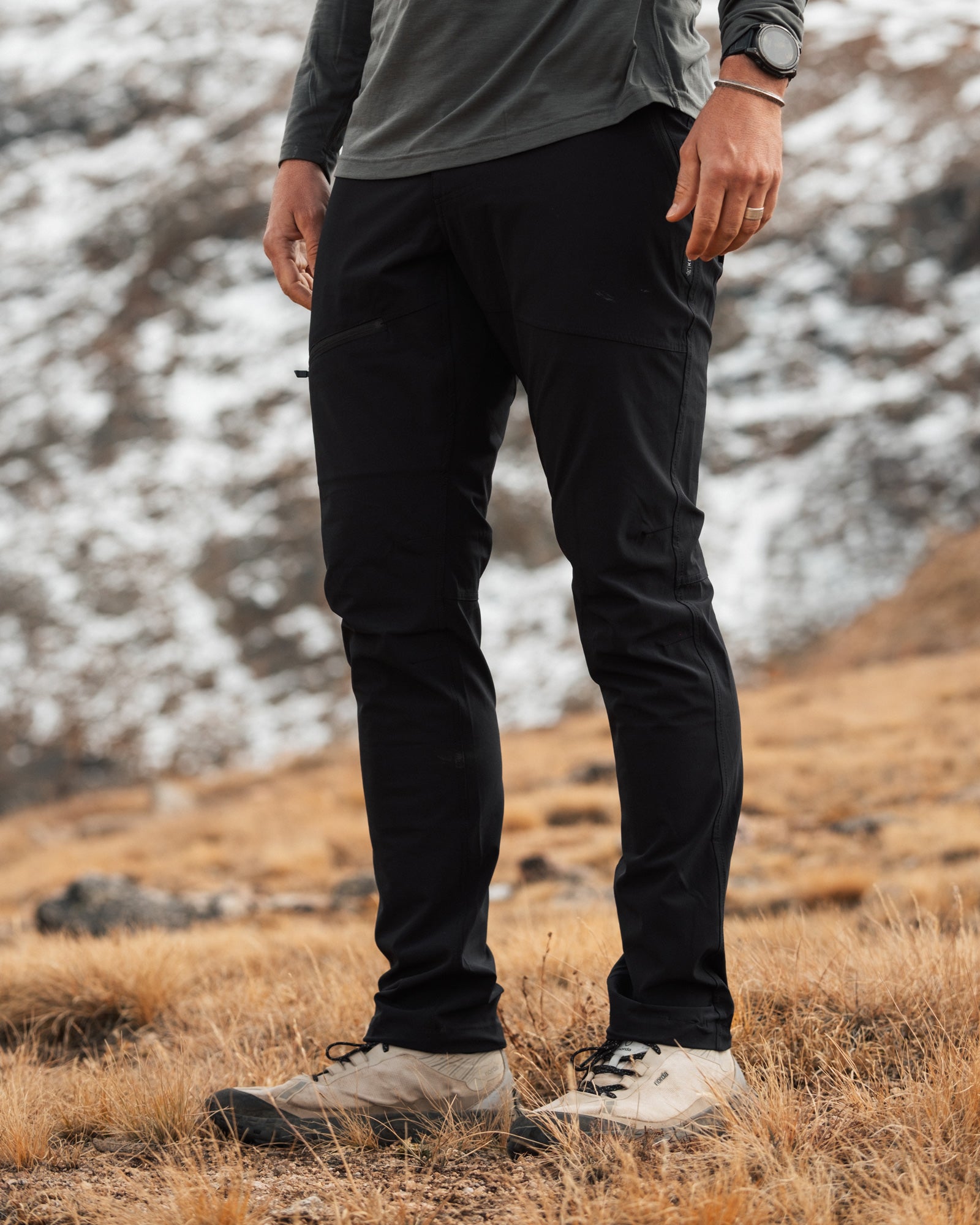
Durable hiking pants built for long miles and rugged trails. Stretch performance fabric allows natural movement on steep climbs, while abrasion resistance holds up through brush and rocky terrain.
Lightweight, breathable, and quick drying, they’re built for backpacking trips, scrambling, and everyday time outside.
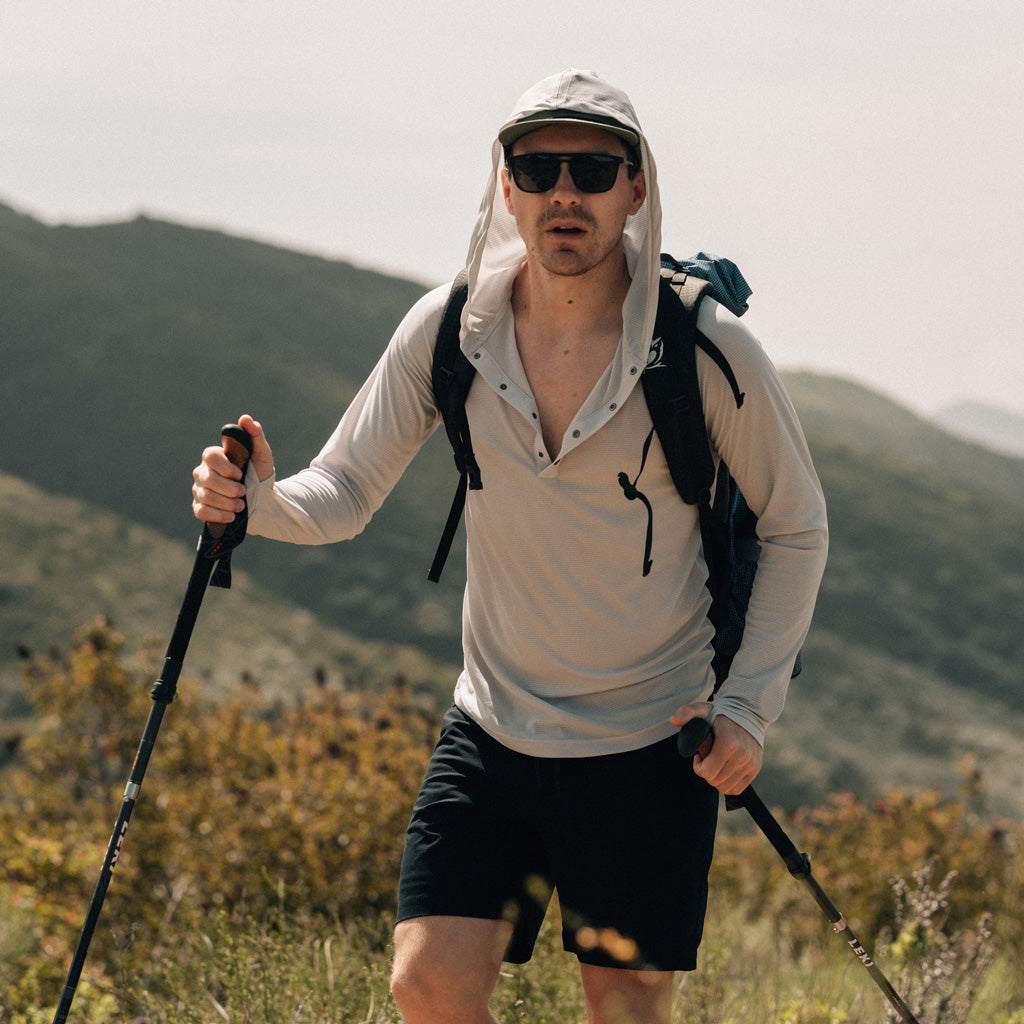
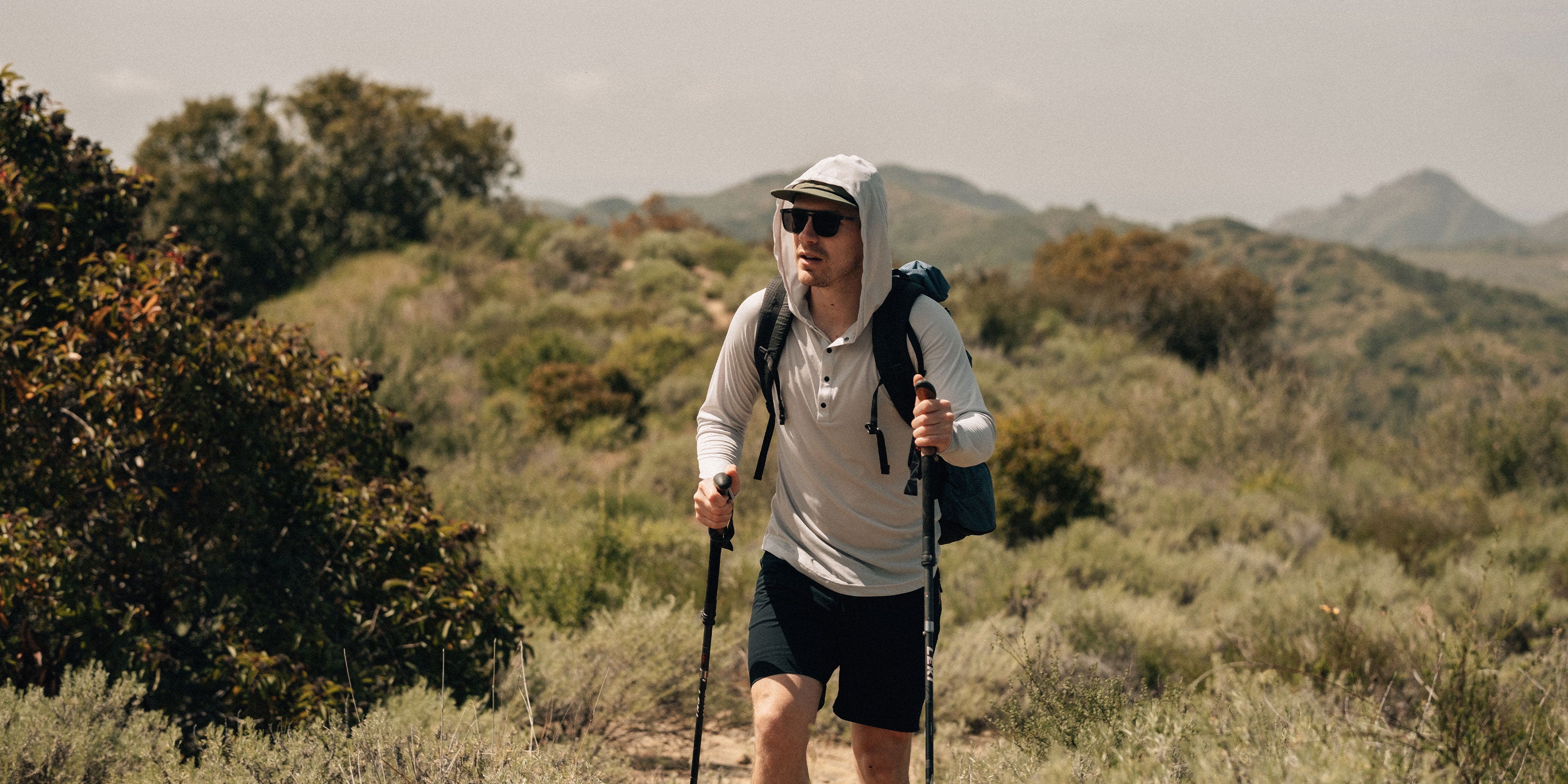
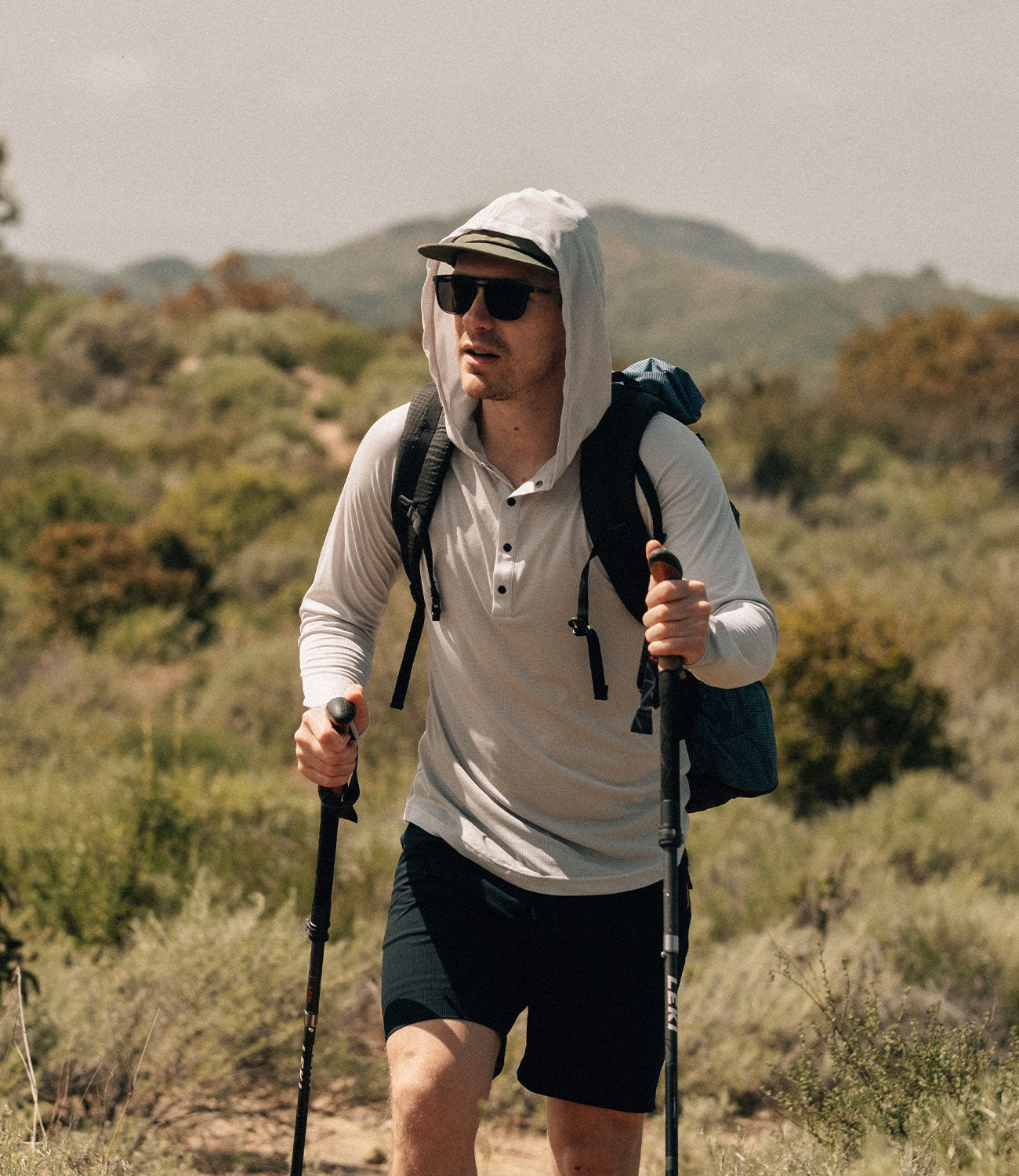
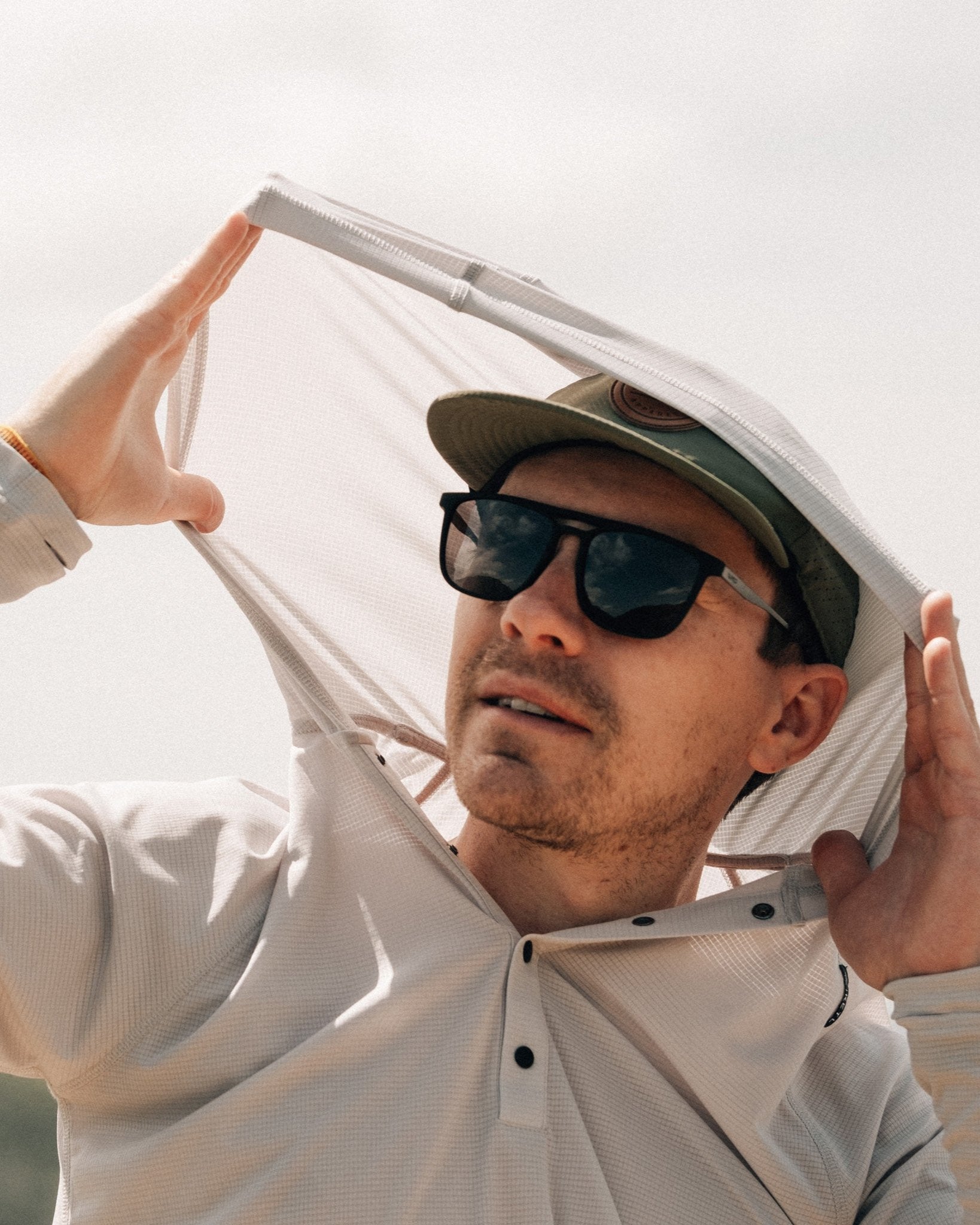
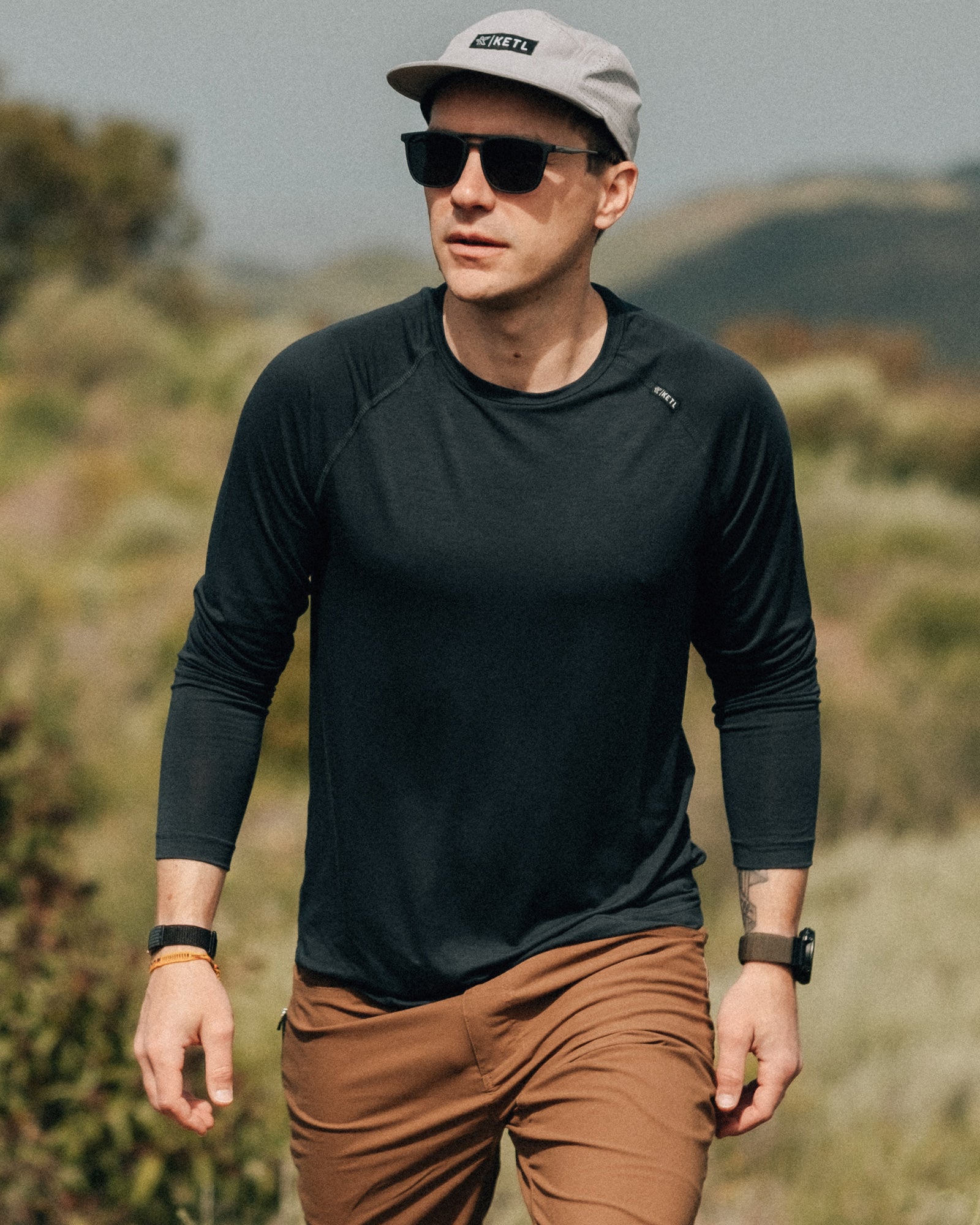
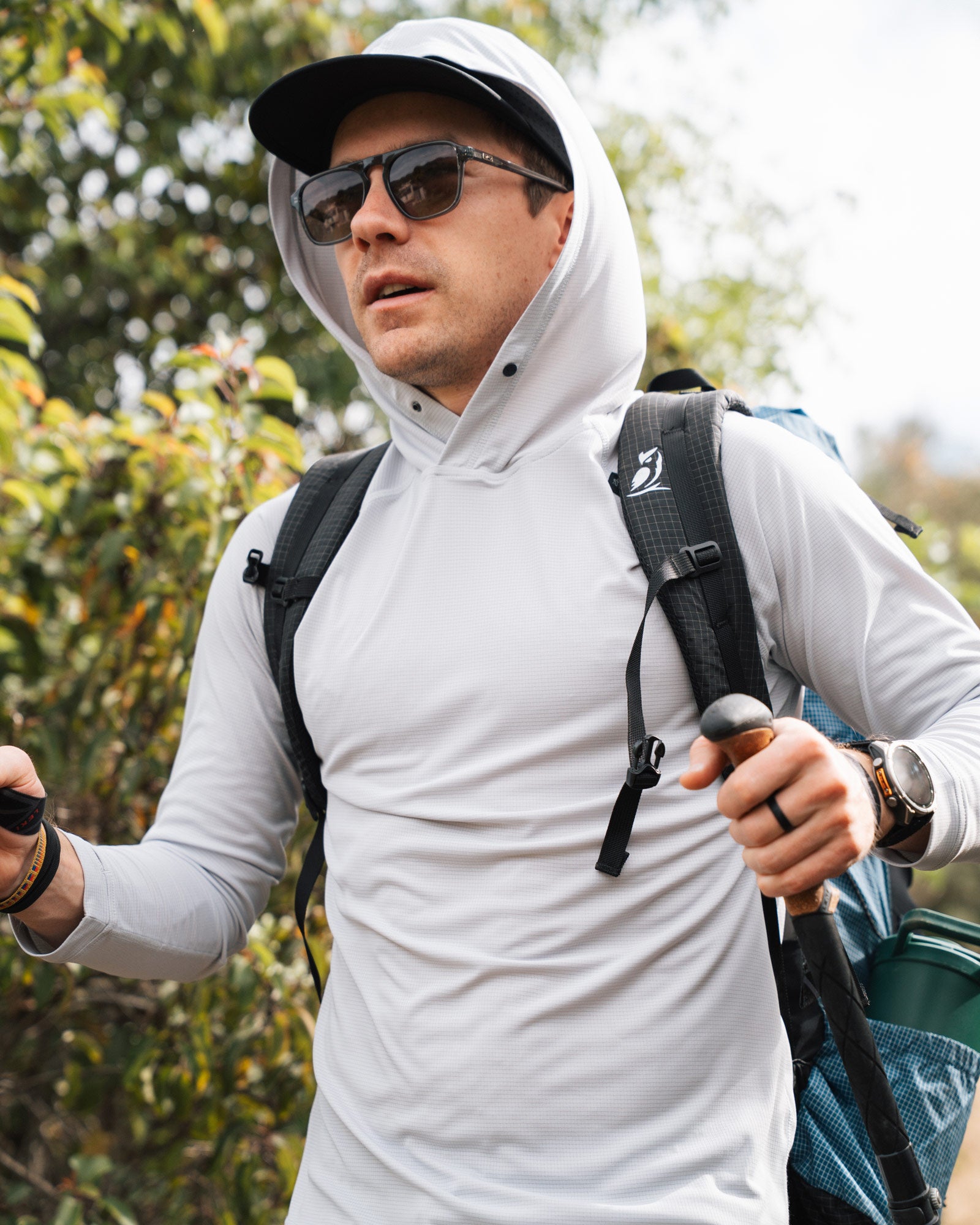
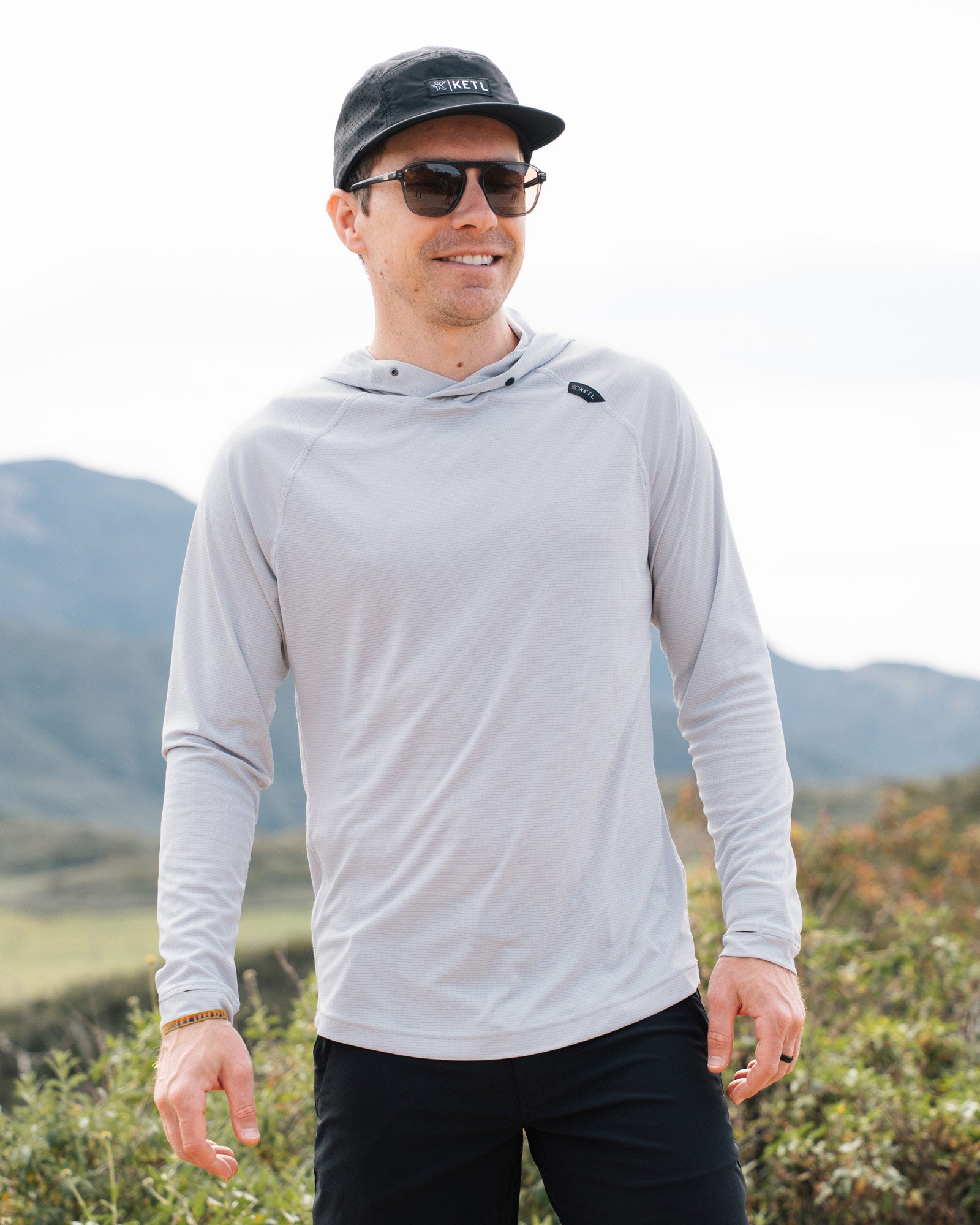
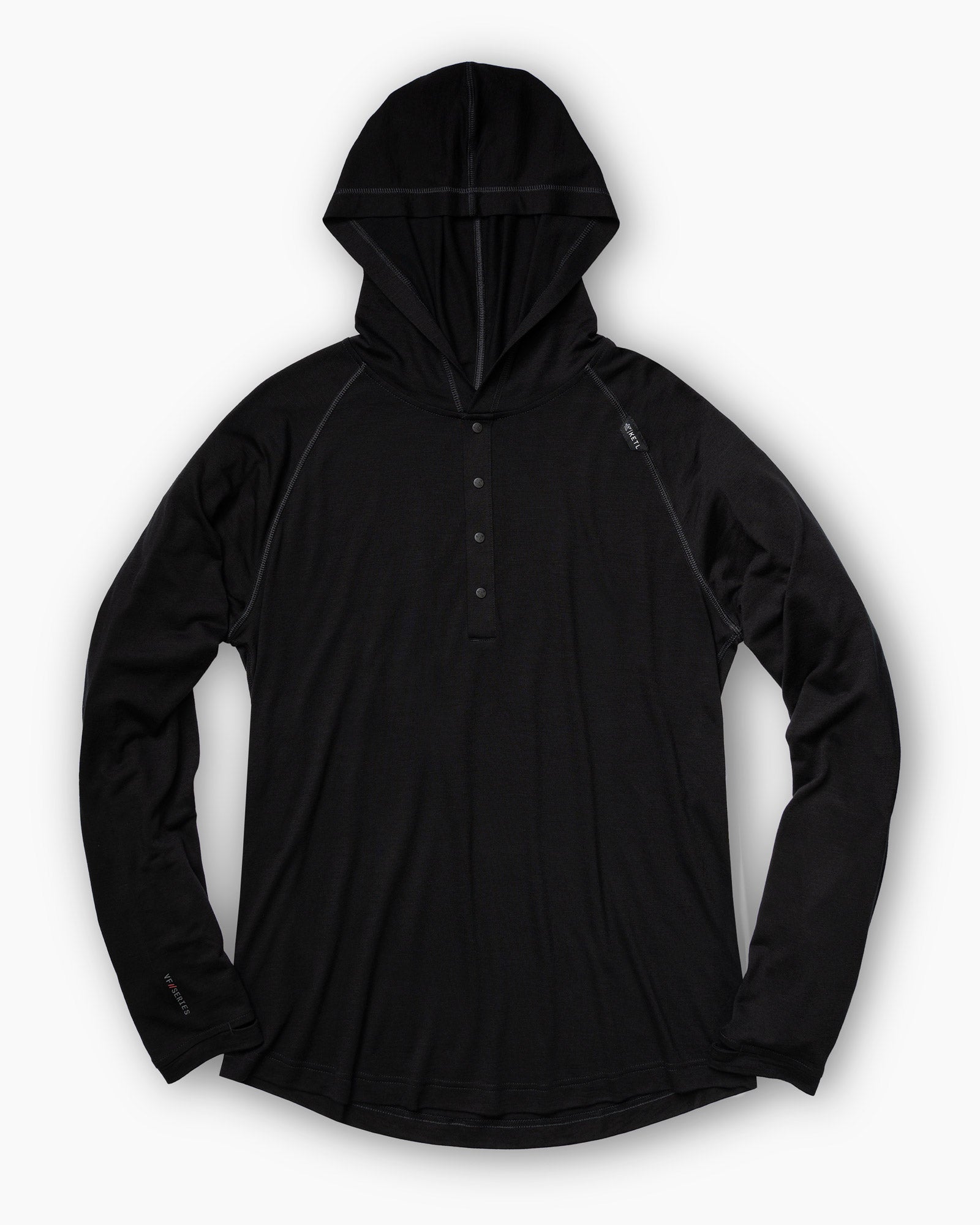
Nofry Sun Hoodie
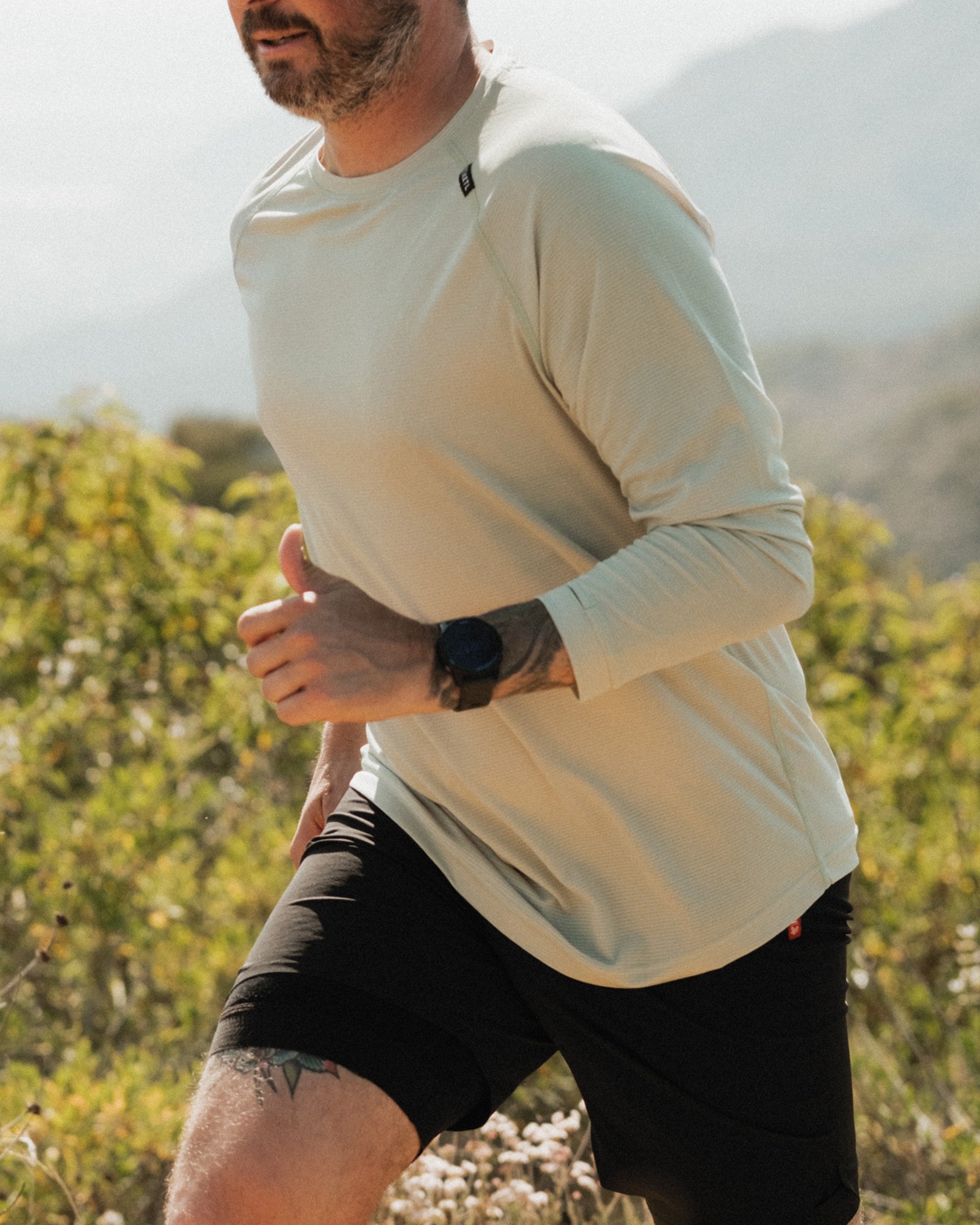
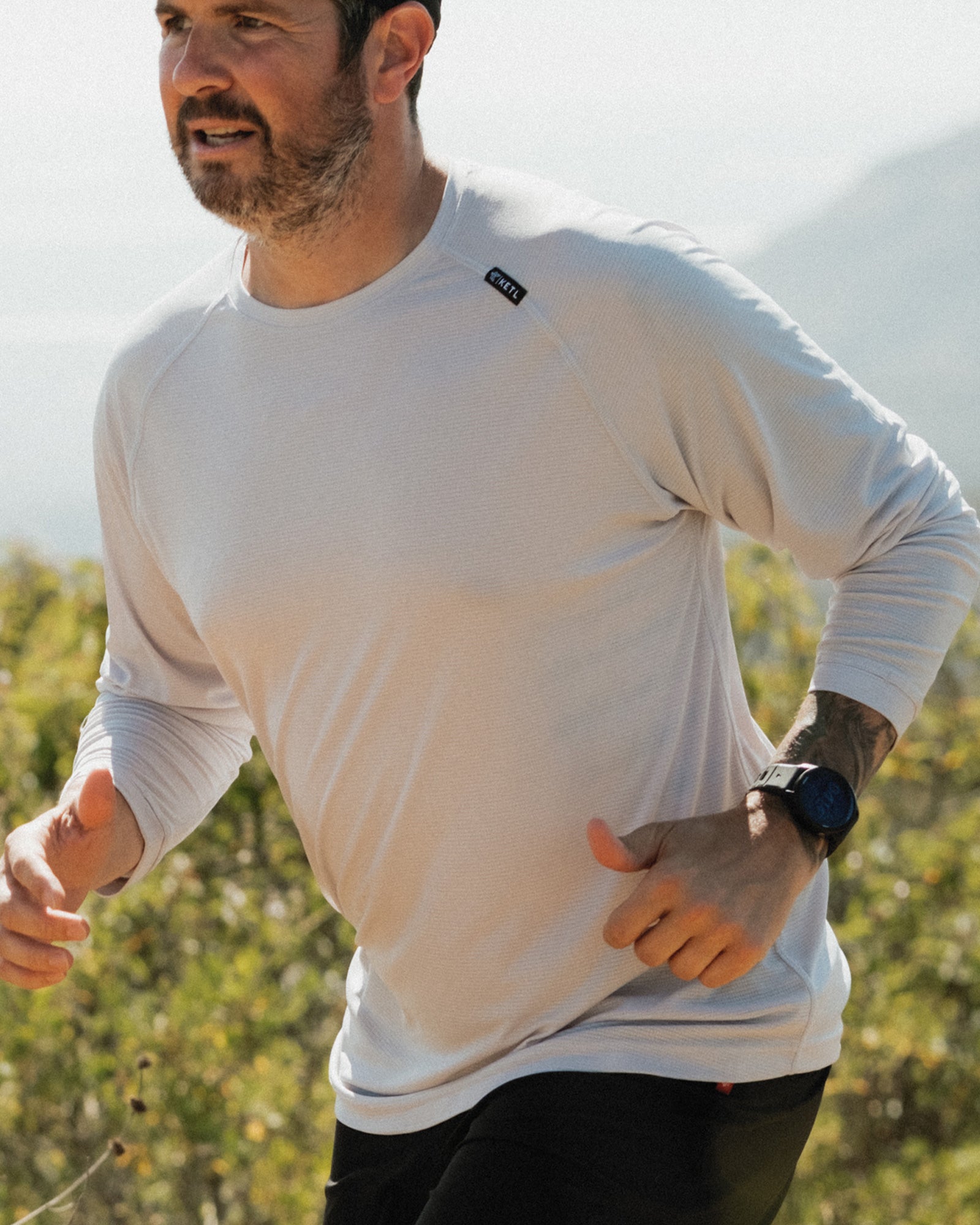
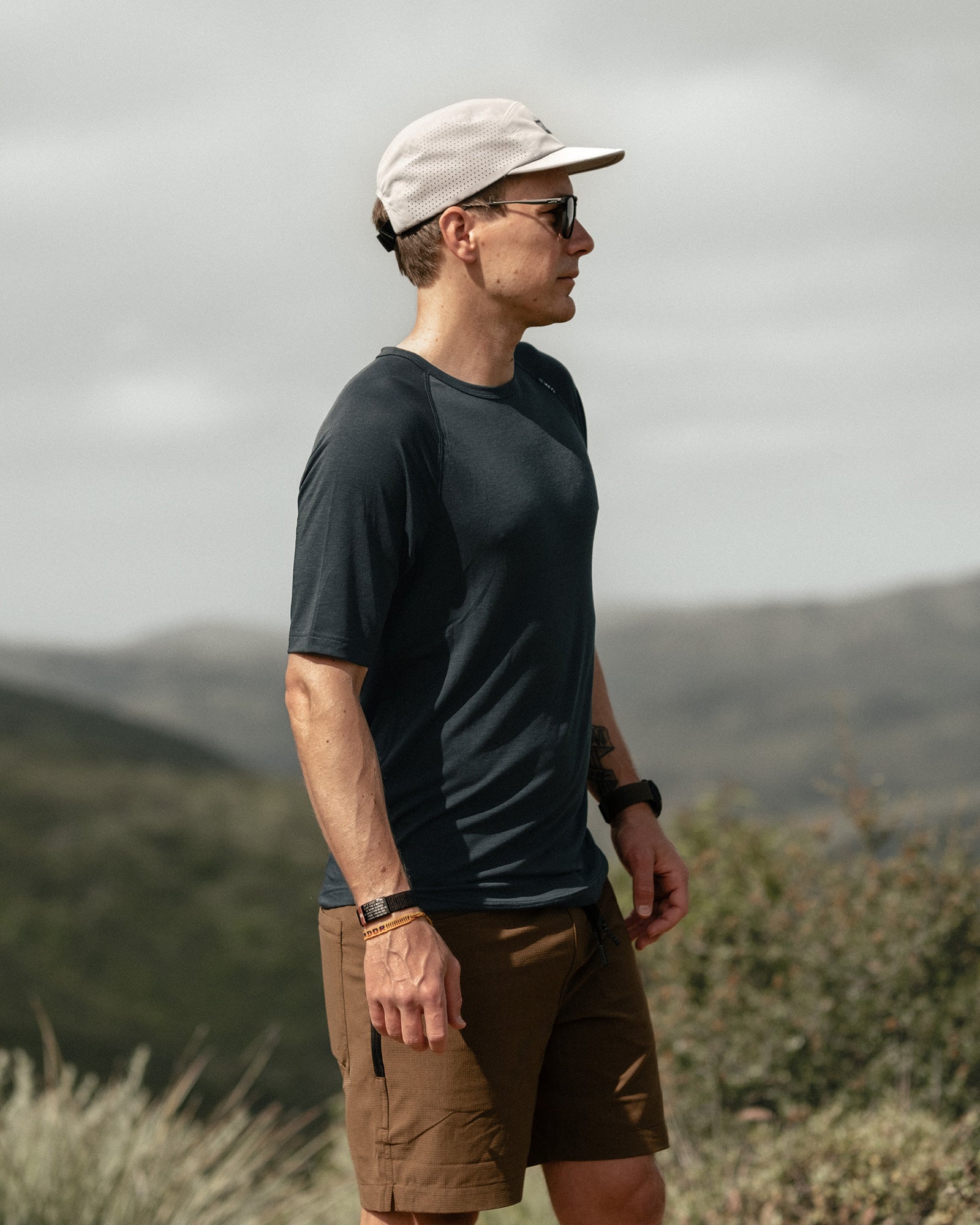
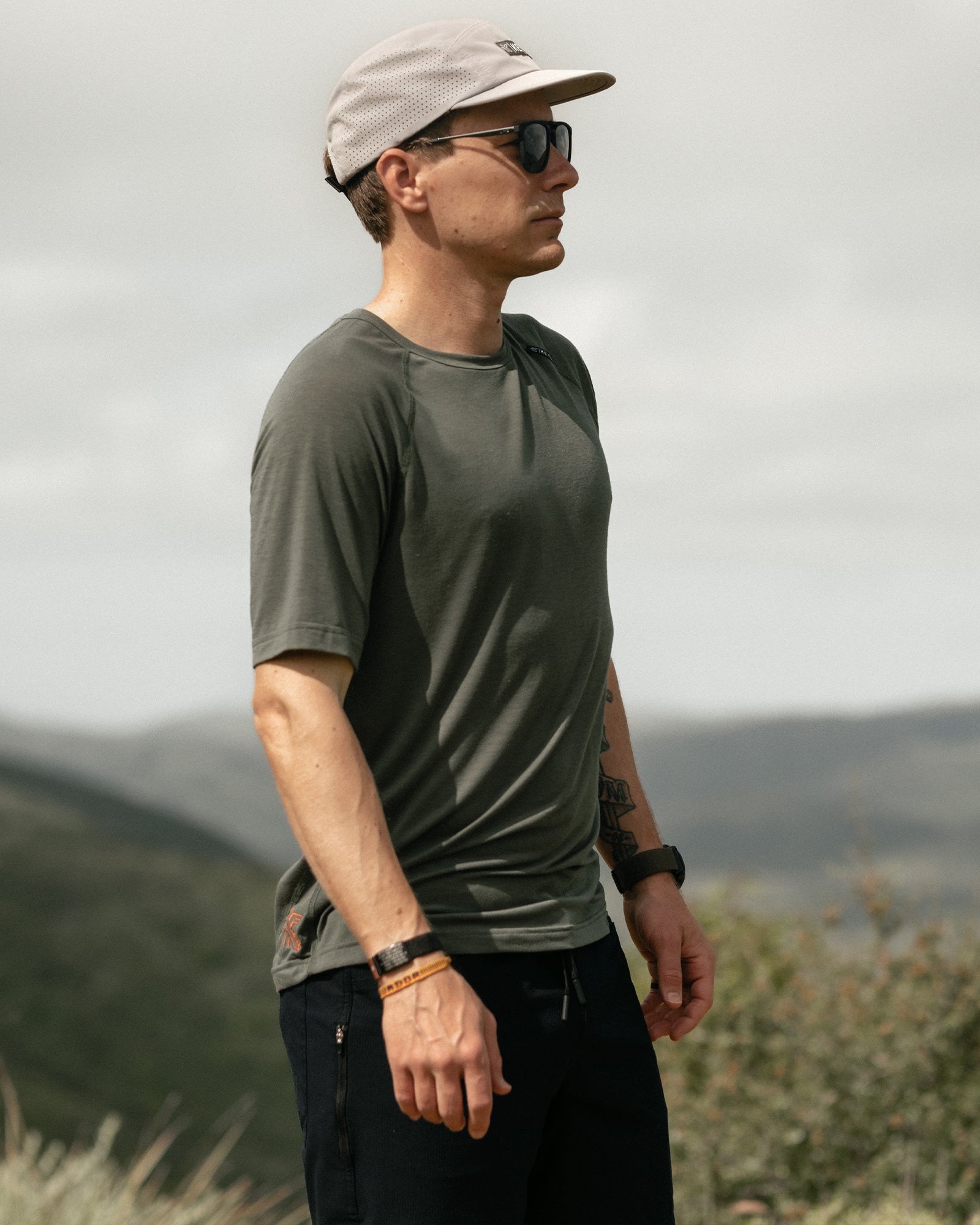
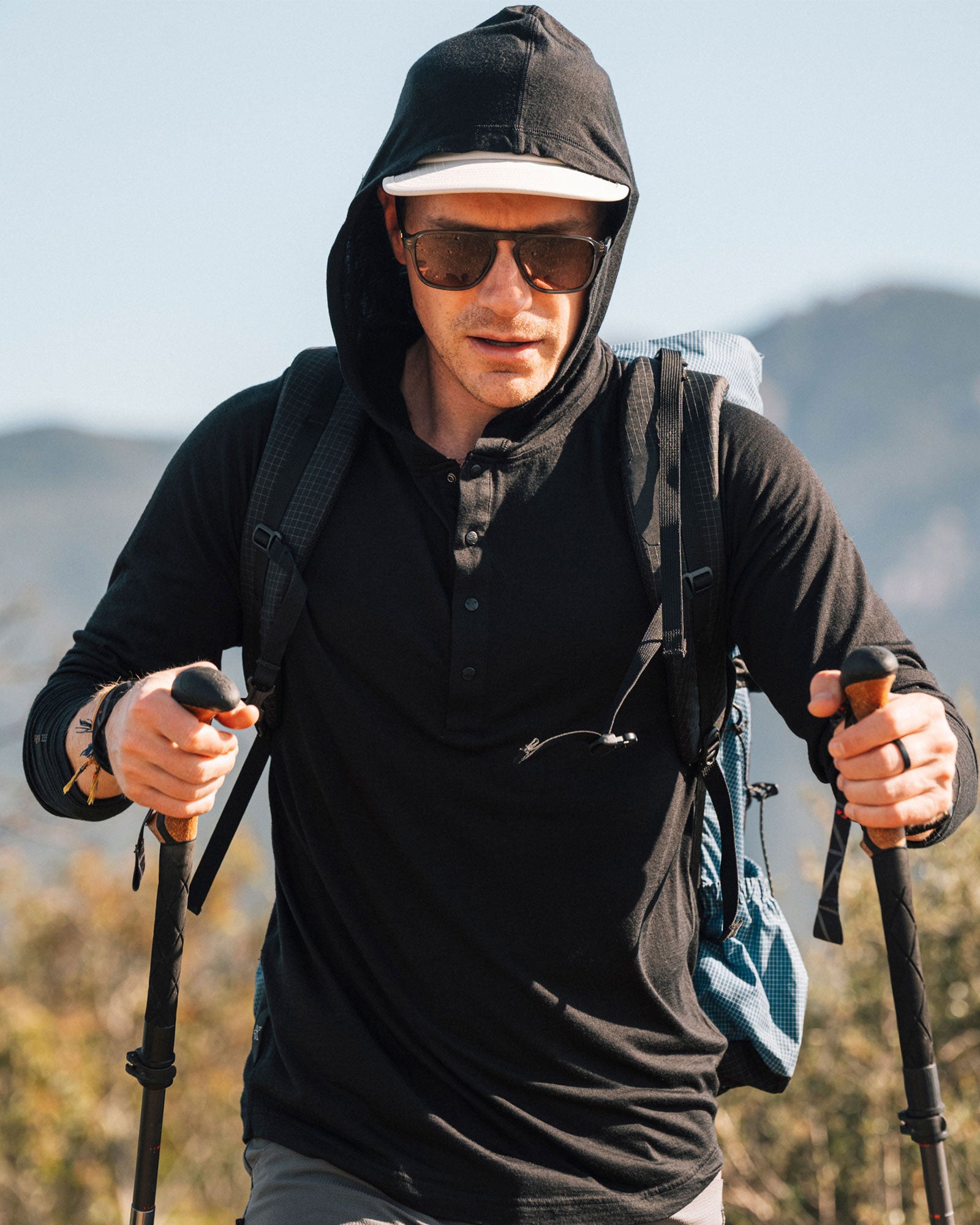
A lightweight UPF 30+ sun hoodie designed for exposed hikes and high elevation backpacking. Ultra breathable fabric wicks moisture, dries quickly, and protects your skin without overheating.
Ideal for long trail days, desert hikes, and summer backpacking.
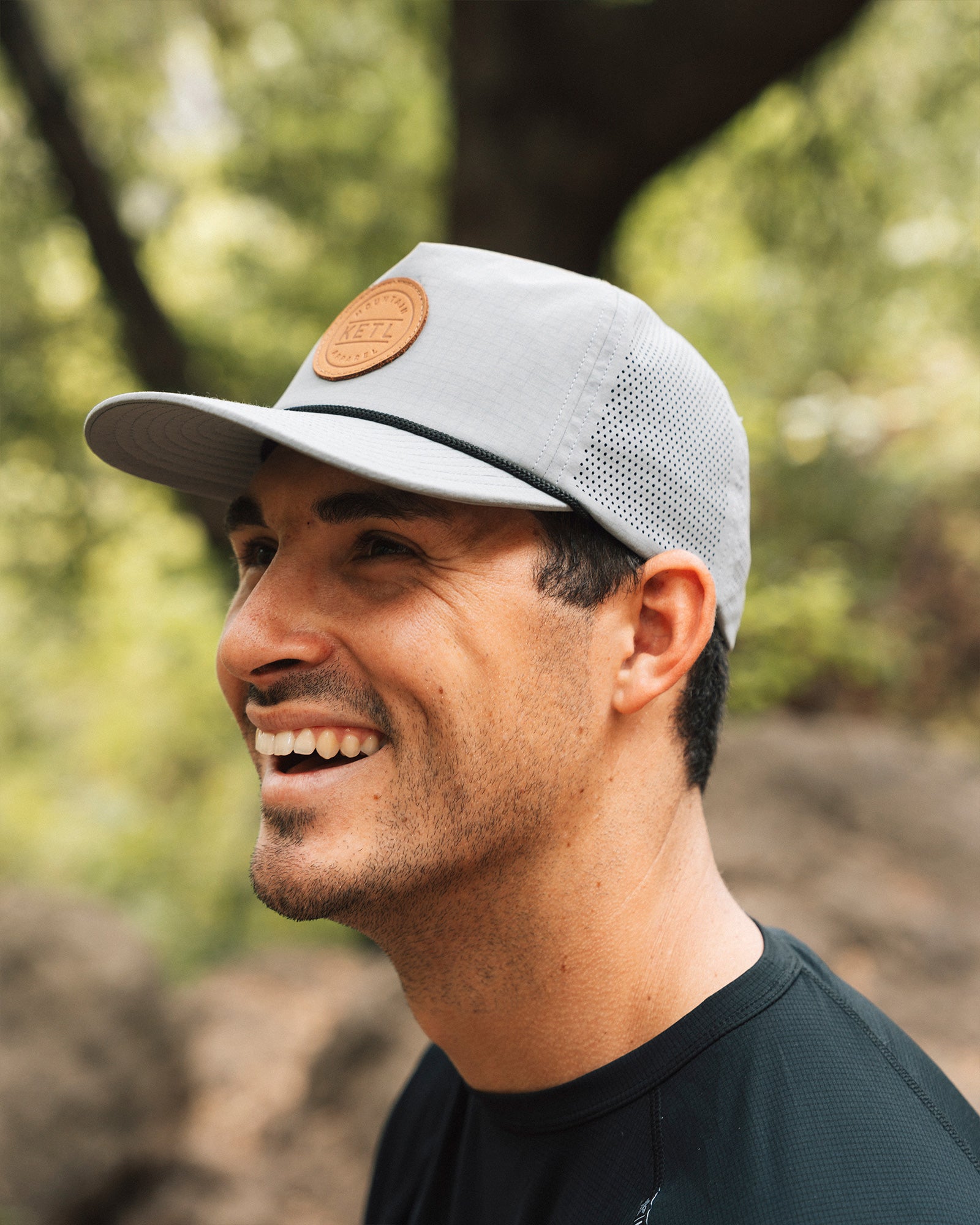
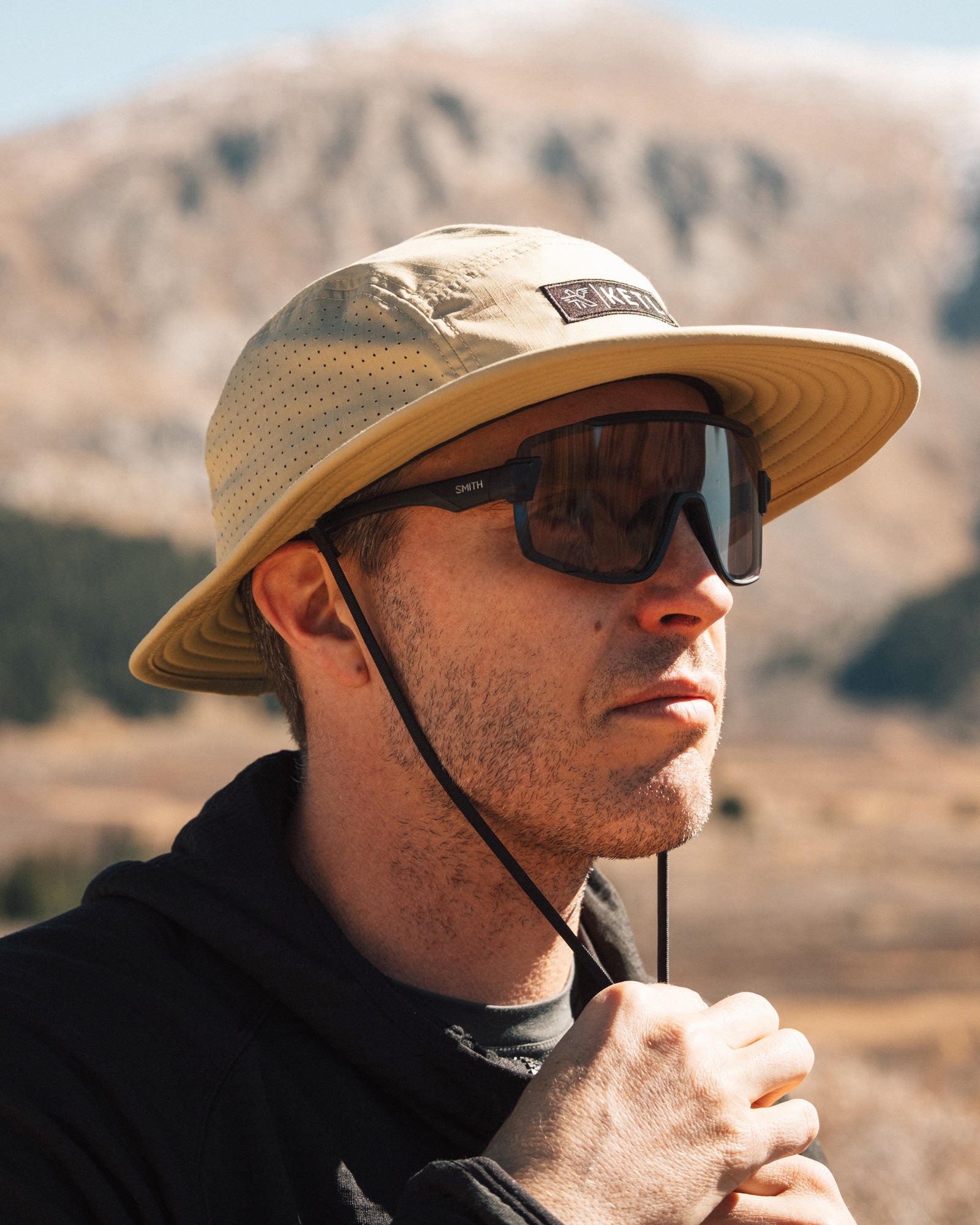
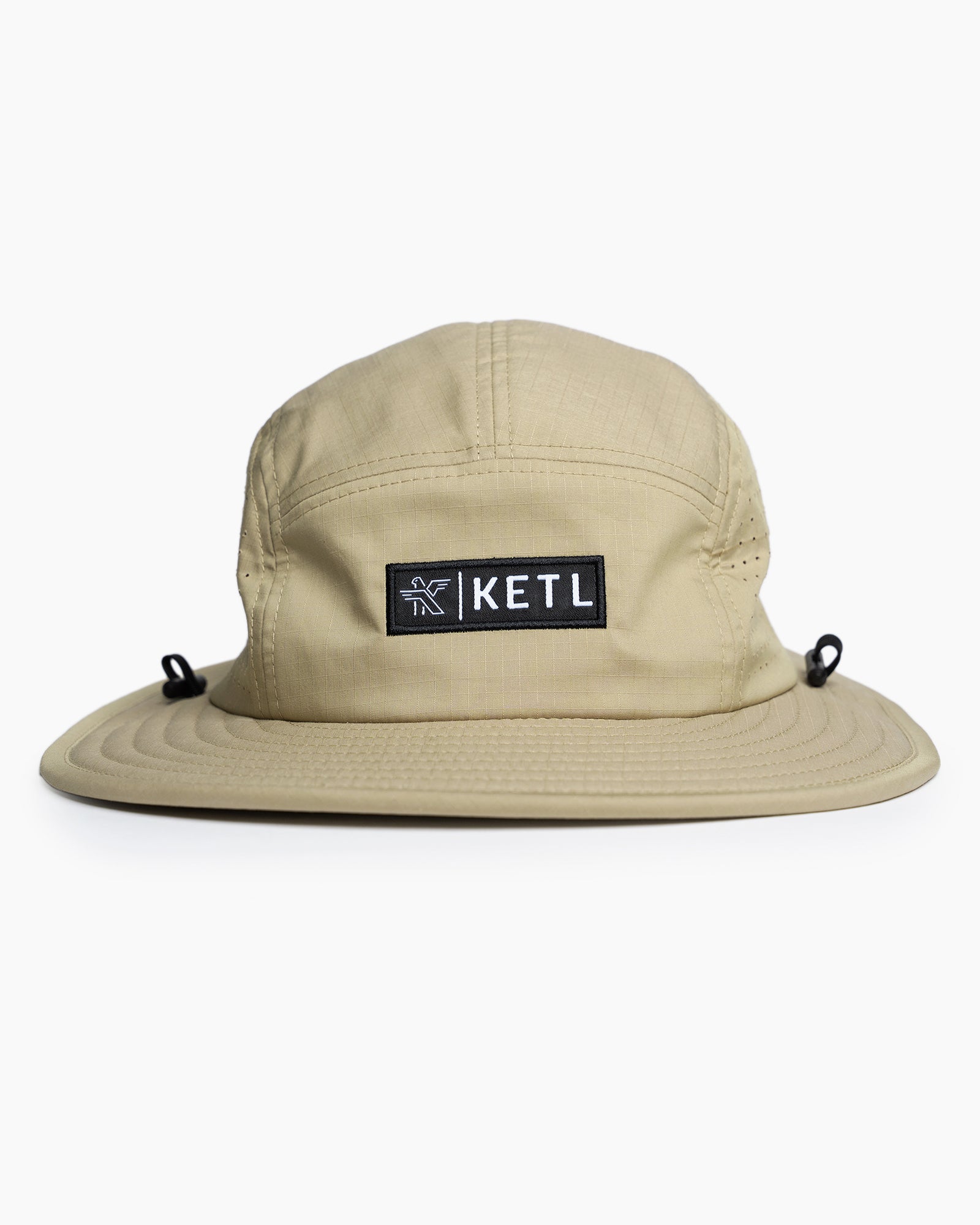
A packable hiking hat built for all day sun protection. Lightweight and breathable with full coverage design, it keeps sun off your face and neck while staying comfortable in hot conditions.
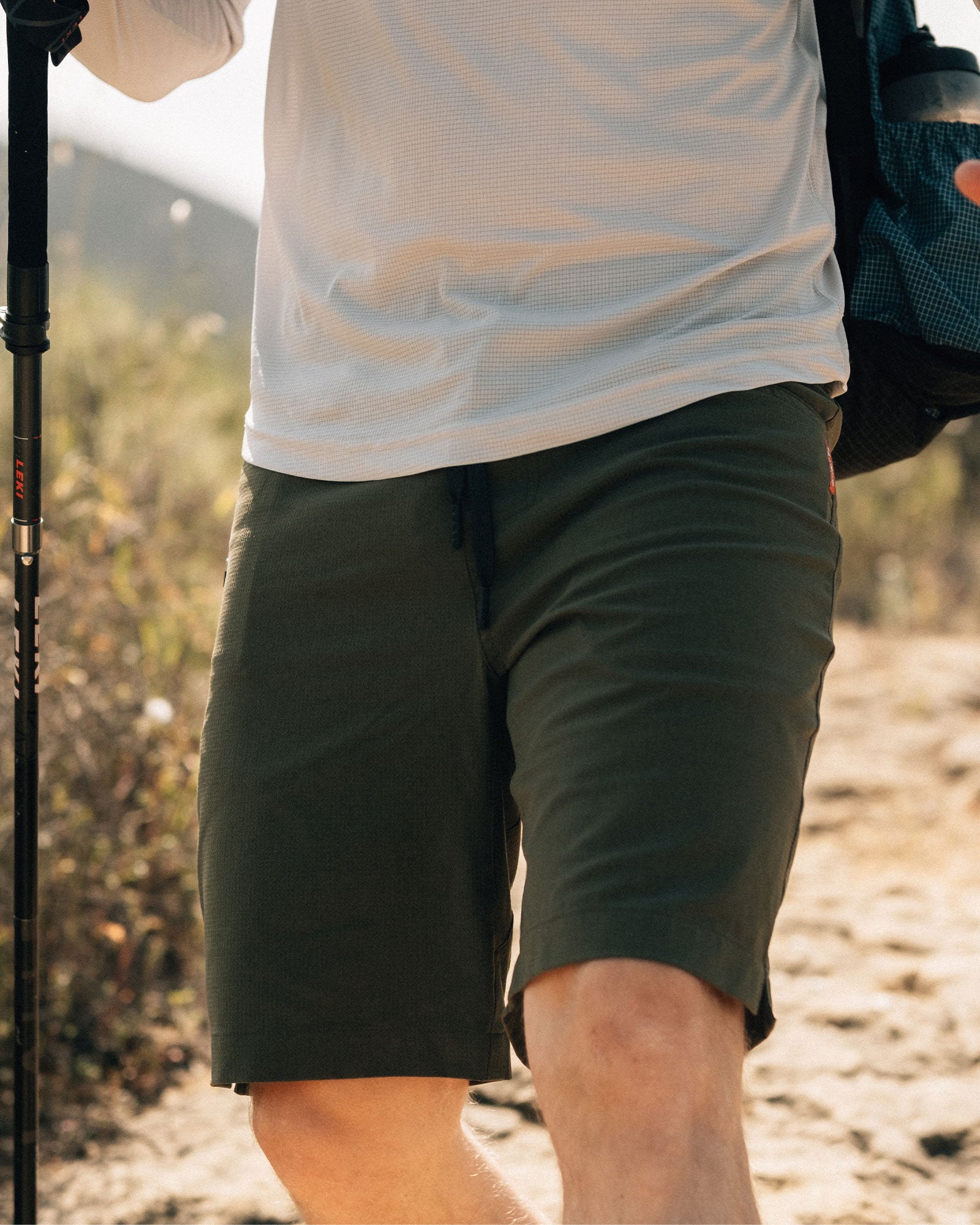
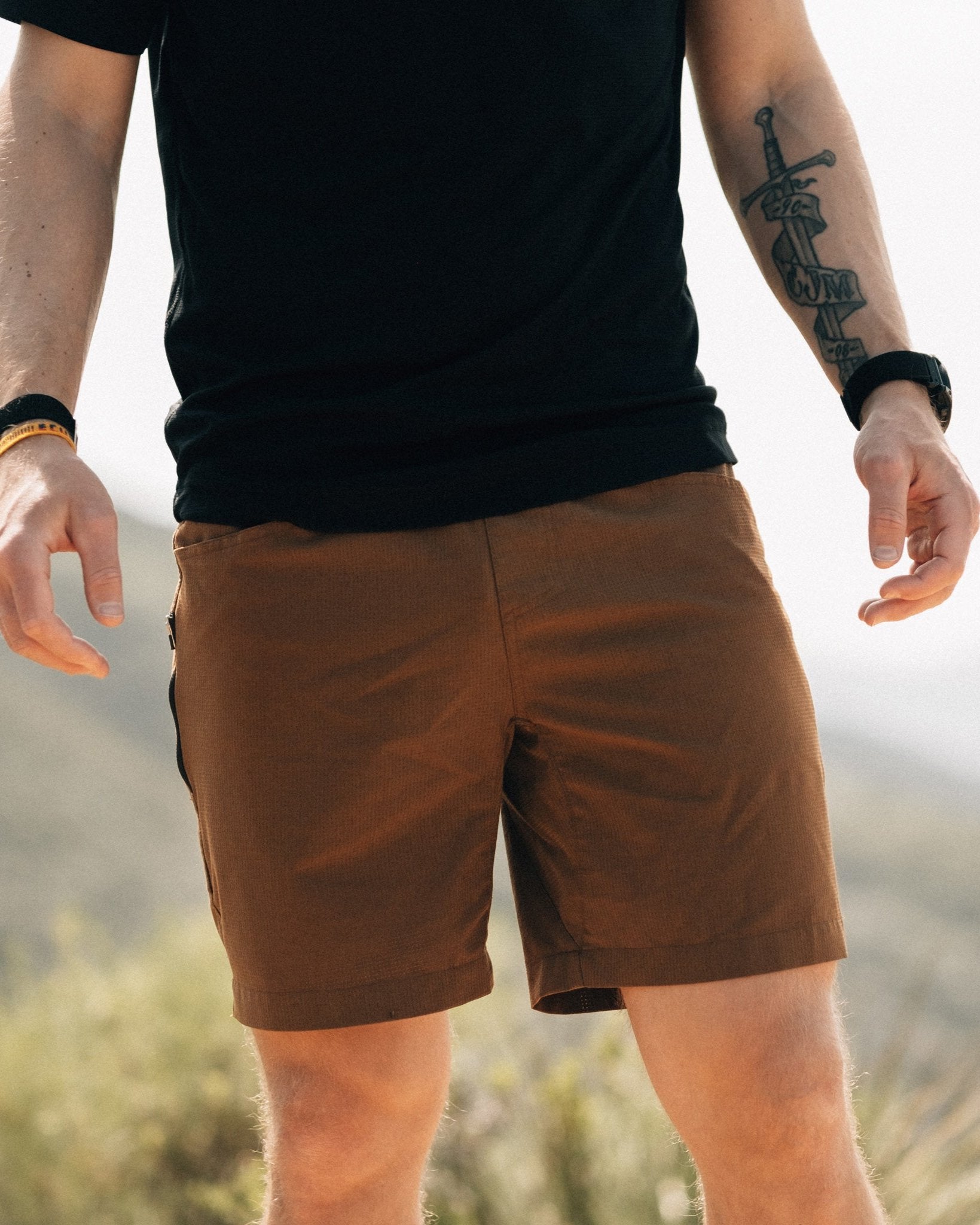
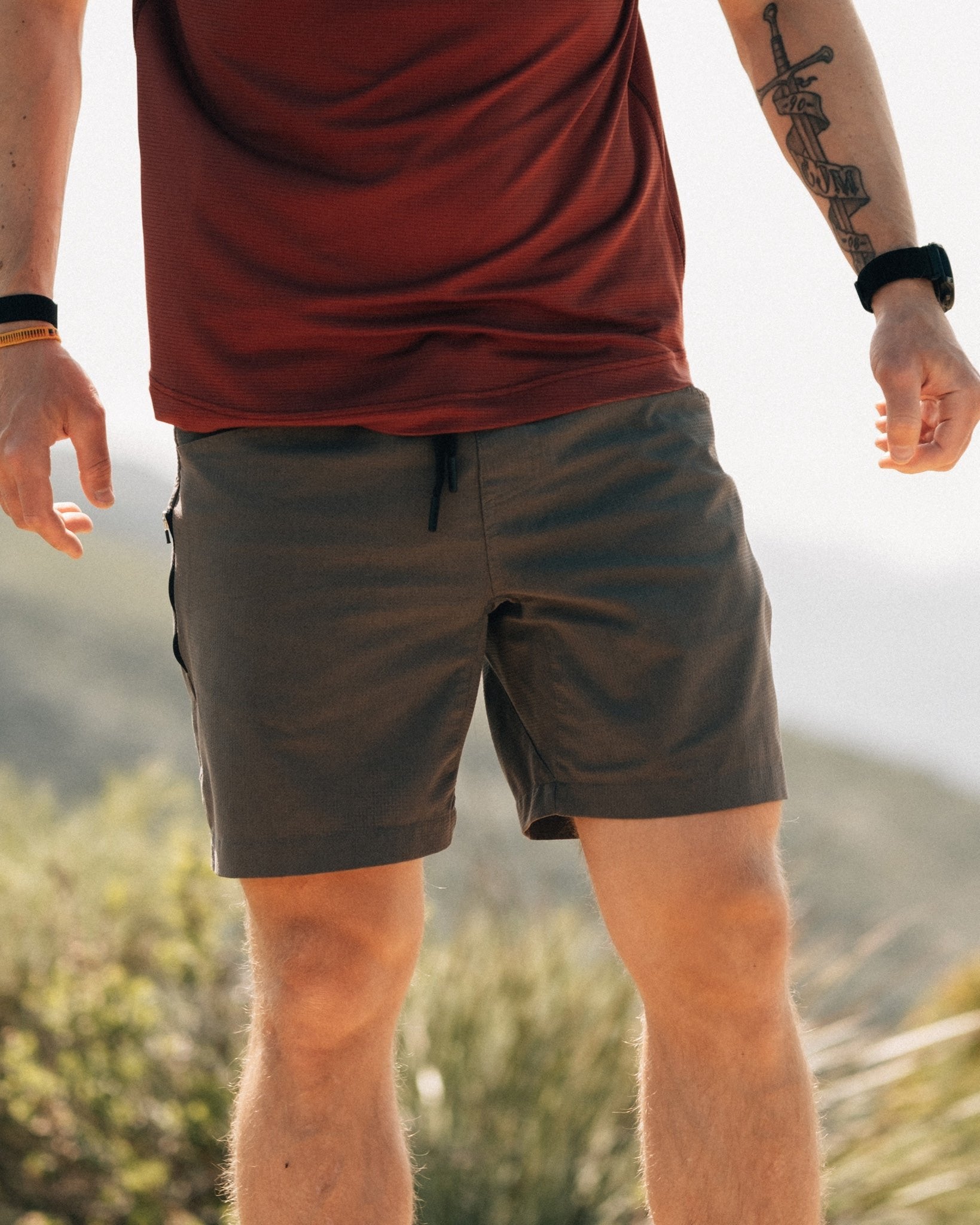
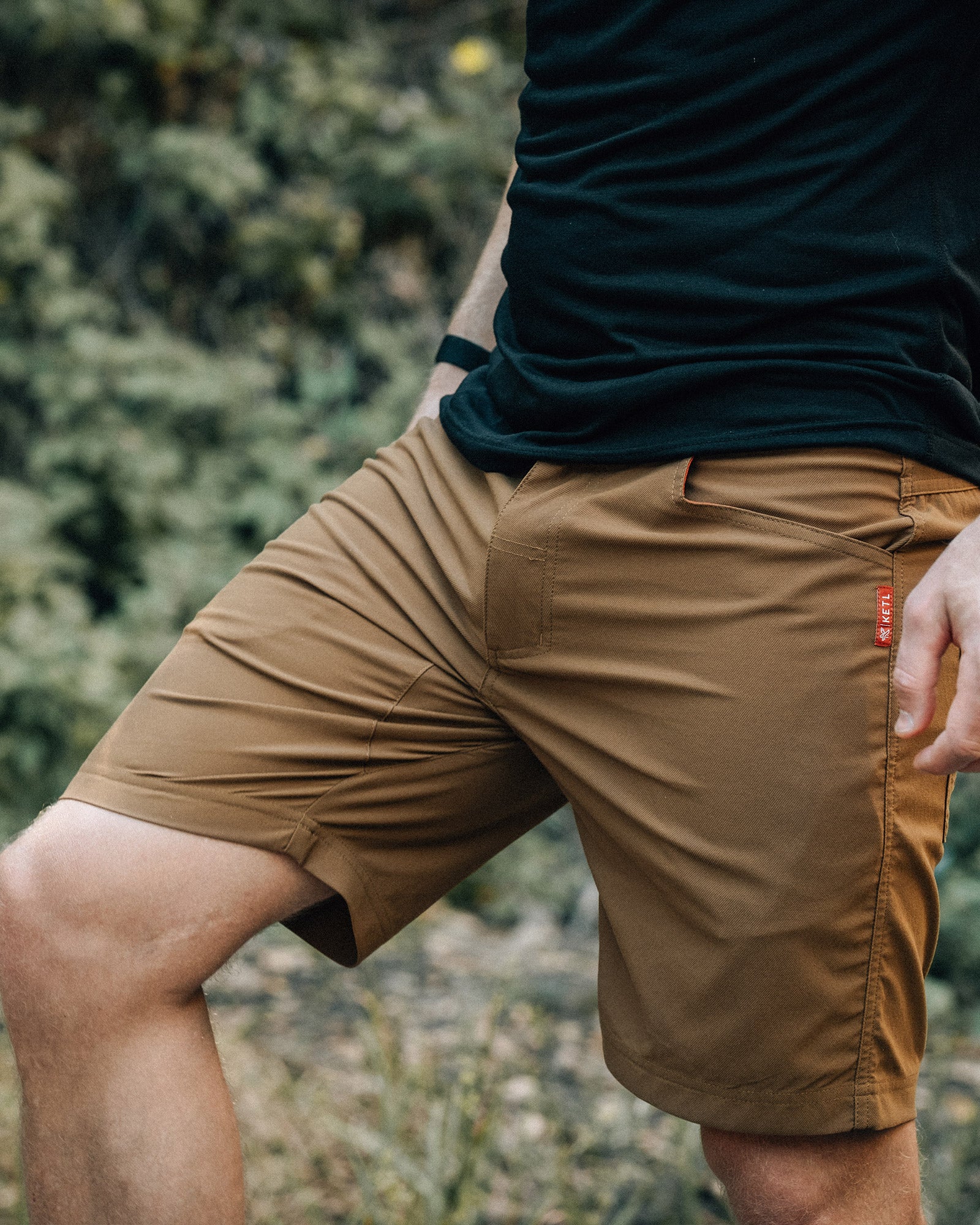
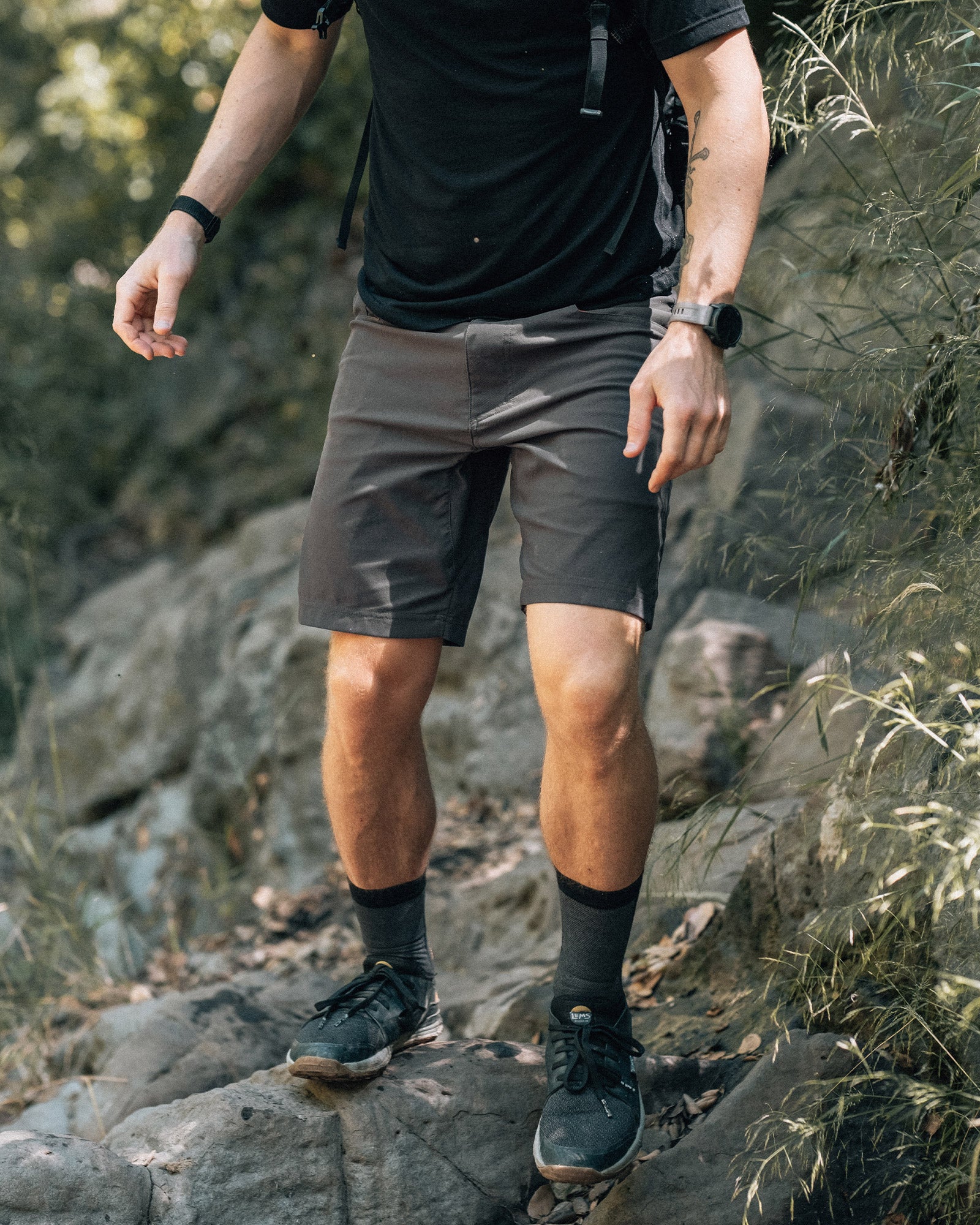
Vent Lightweight Shorts
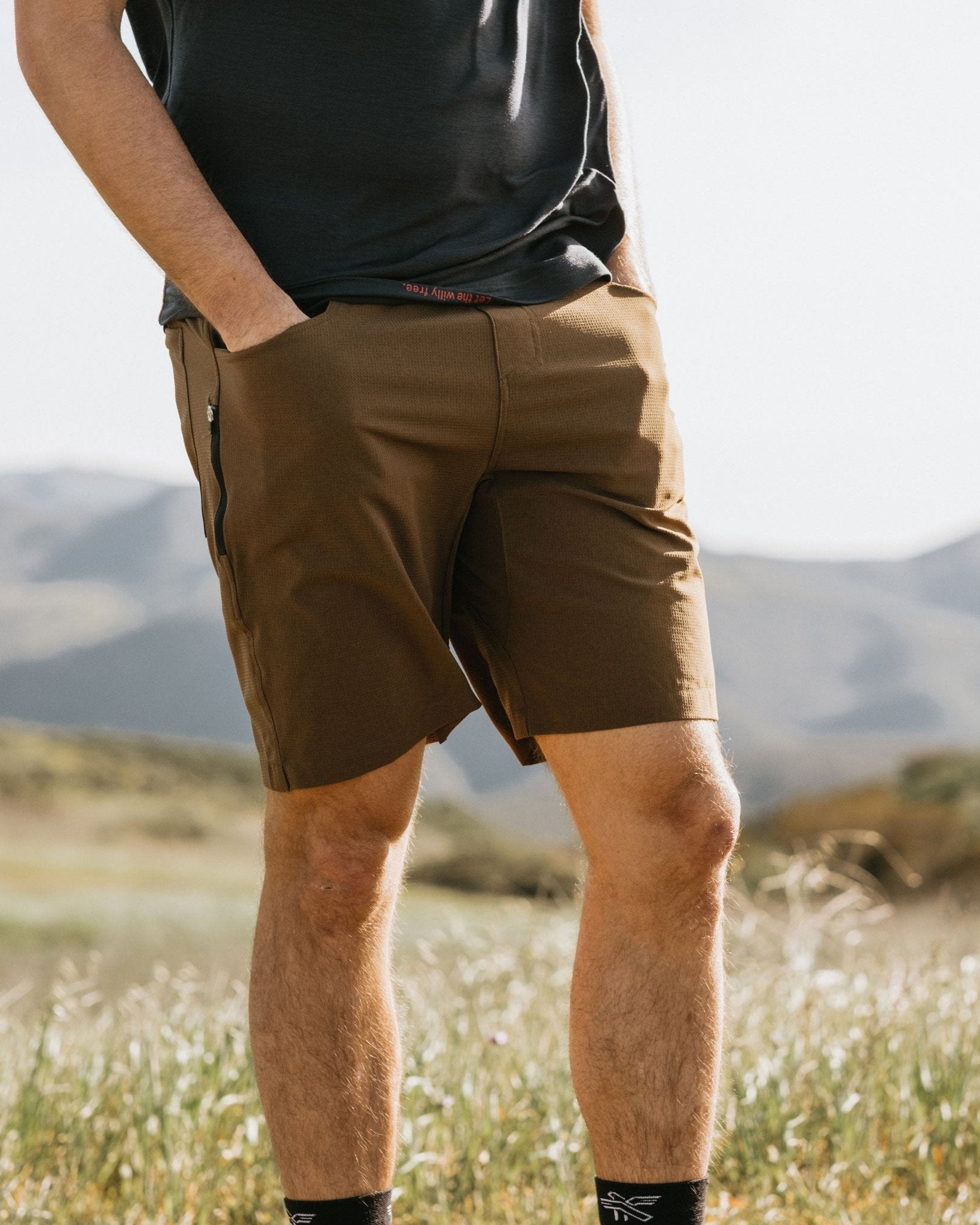
Lightweight hiking shorts designed for warm weather miles. Breathable stretch fabric moves naturally on climbs and descents, while quick drying performance keeps you comfortable as the day heats up.
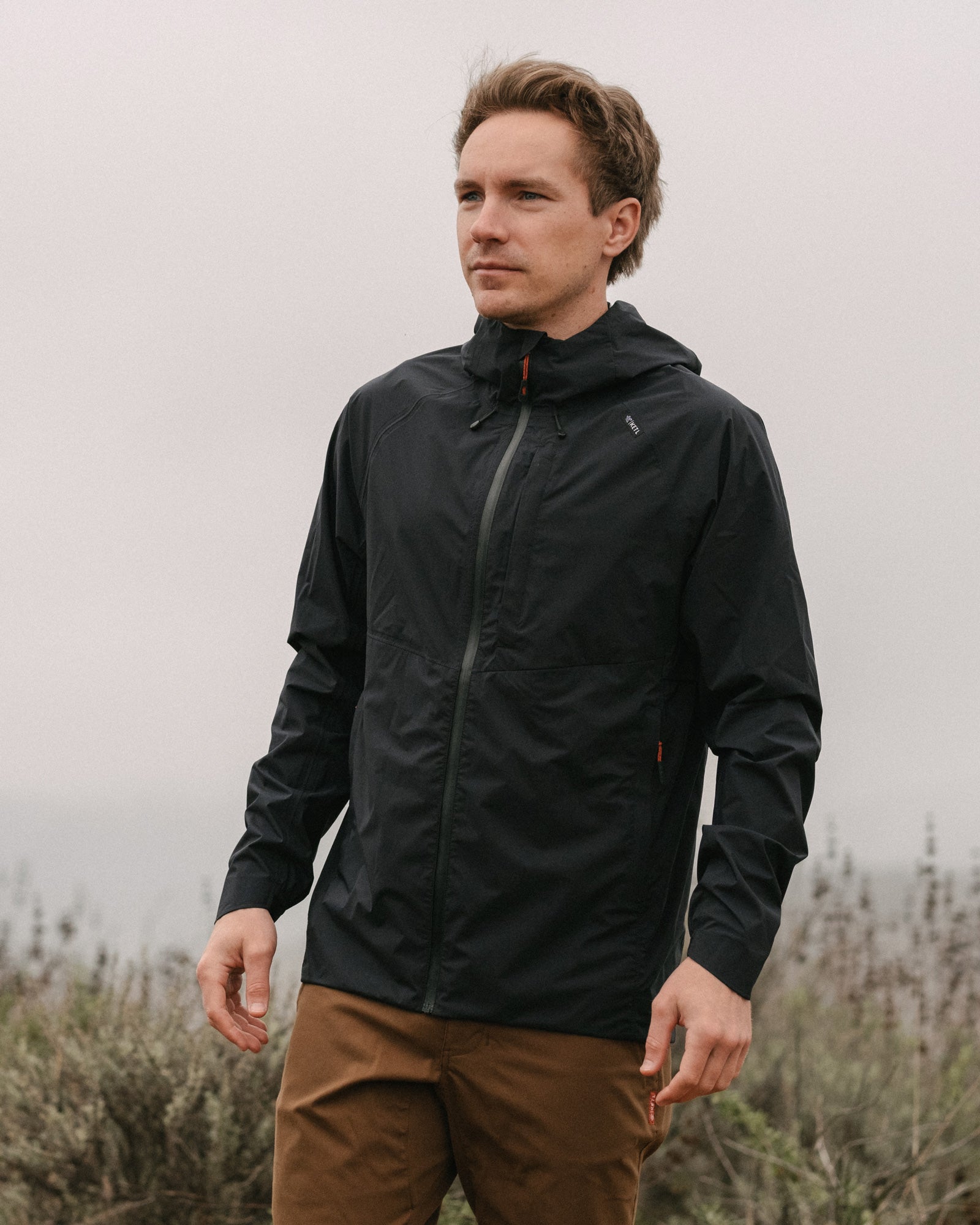
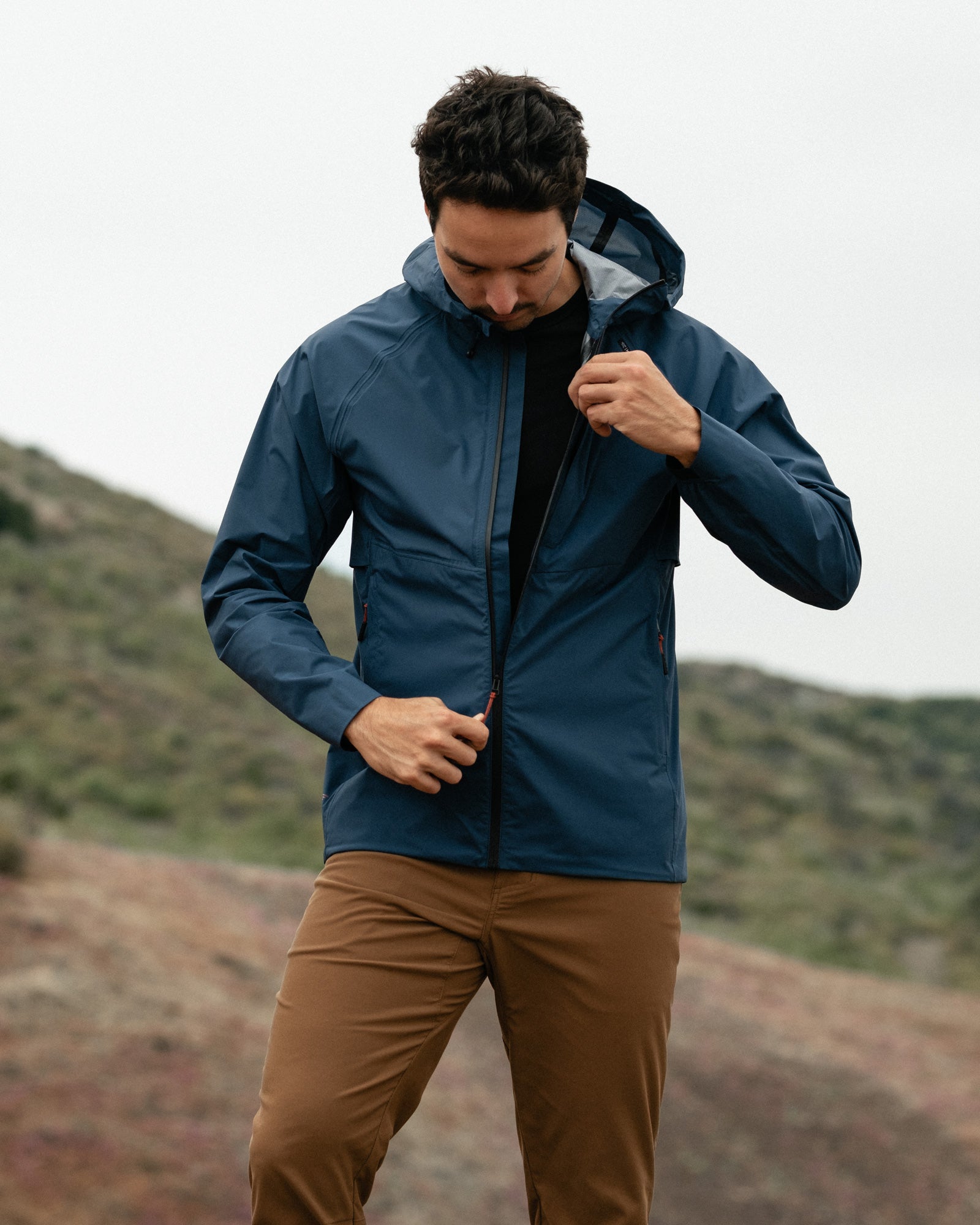
BodBrella Rain Shell
A lightweight, packable rain jacket built for unpredictable weather. Designed for breathable protection during short to moderate rain, it’s easy to stash and quick to deploy when conditions change.
What Should You Wear Hiking or Backpacking?
Hiking and backpacking clothing should be lightweight, breathable, and built to stay comfortable over long miles. When you’re moving all day and carrying a pack, your gear needs to manage heat, dry quickly, and not weigh you down.
A solid setup usually includes breathable tops, lightweight pants or shorts, and packable layers that can adapt to changing weather. Durability matters too, especially when you’re dealing with rough trails, brush, or repeated days on the same gear.
The goal is to wear pieces that work together, move easily, and pack down small so you can carry less without sacrificing comfort.
Frequently Asked Questions
What should I wear hiking so I don’t overheat or feel restricted?
You want lightweight, breathable clothing that moves easily and doesn’t trap heat. Long climbs and exposure will heat you up fast, so airflow and moisture management matter more than anything.
Stretch helps a lot too, especially on uneven terrain. If your gear feels stiff or heavy, you’ll notice it pretty quickly.
What’s the best clothing for multi day backpacking trips?
For multi day trips, it’s all about wearing the same pieces more than once without them becoming uncomfortable. Lightweight, breathable fabrics that dry quickly and don’t hold moisture make a huge difference.
Durability also matters since you’re putting more miles and wear on the same gear. The less you have to think about what you’re wearing, the better.
How many outfits do you really need for backpacking?
Most people bring more than they need. In reality, one to two core outfits is usually enough if your clothing is versatile and comfortable for repeated wear.
The key is choosing pieces that can handle different conditions and still feel good after long days on the trail.
Can you wear the same hiking clothes multiple days in a row?
Yeah, that’s pretty normal. As long as your gear is breathable, dries quickly, and doesn’t trap moisture, you can wear it multiple days without it becoming uncomfortable.
Letting things air out overnight helps, but good performance fabrics make this a lot easier.
What fabrics are best for hiking and backpacking?
Lightweight, breathable fabrics that wick moisture and dry quickly are ideal. Stretch adds comfort on climbs and uneven terrain, while durability helps your gear hold up over multiple days.
The best fabrics balance all three without feeling heavy or bulky.
Are hiking pants better than shorts?
It depends on conditions. Shorts are great for hot weather and airflow, while pants offer more protection from sun, bugs, brush, and cooler temps.
A lot of people bring both, but if you had to choose one, lightweight, breathable pants tend to be more versatile.
What should I wear hiking in hot weather?
Focus on breathability and airflow. Lightweight fabrics that dry quickly and don’t cling will keep you more comfortable than heavier materials.
Long sleeves can actually help in direct sun if the fabric is breathable enough, especially when it offers UPF protection. That way you’re shielding your skin from sun exposure without overheating.
What should I wear hiking in changing weather?
Layering is key. Start with a breathable base, then add a lightweight layer for warmth, and keep a packable shell handy for wind or rain.
The goal is to adjust quickly without carrying bulky gear.
How do you pack light for a backpacking trip without being miserable?
Bring fewer pieces that can handle more situations. If your clothing is versatile, breathable, and comfortable over multiple days, you don’t need as much of it.
Packing light isn’t about sacrificing comfort, it’s about choosing better gear.
Are expensive hiking clothes actually worth it?
It depends on what you’re getting. Good hiking clothing solves real problems like overheating, discomfort, and durability over time.
If it keeps you comfortable for long days and holds up over repeated use, it’s usually worth it.